

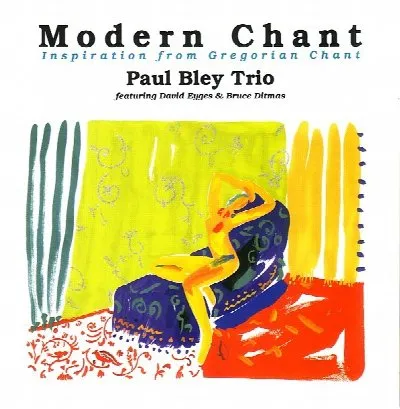
Top tracks — play these first
-
→
The New You Start here — The opening track offers a concise entry point into Bley's approach, setting up the album's emphasis on improvisation.
-
→
Russell — At more than seven minutes, the album's longest track gives its improvisation more room to develop than the surrounding pieces.
-
→
Loose Change — The closing track provides a final encounter with Bley's preference for flexible phrasing over a rigidly stated theme.
Elevation
Our rating, out of 100 — and why.
AI-generated from five scored dimensions. An opinion, not a measurement.
InstrumentalBley's intricate melodies and improvisation create a distinctive sound that stands out in modern jazz.
What we noticed
- Each track often begins with a clear melodic theme before devolving into free-form exploration, highlighting Bley's avant-garde tendencies.
- The use of dissonant harmonies is prevalent throughout, creating a tension that resolves only sporadically, which challenges traditional jazz expectations.
- Composition 25% of the score
-
8/10
- Craft 20% of the score
-
7/10
- Durability 25% of the score
-
6/10
- Distinctiveness 18% of the score
-
8/10
- Sequencing 12% of the score
-
5/10
the writing — melody, harmony, structure, lyrics
production, performance, arrangement
whether it rewards returning to it
whether it sounds like itself
running order, pacing, length
Known within its scene. Reported but not counted — how far a record travelled describes its reception rather than the record, and a newer release has had less time to travel than an older one.
Is this for you?
Good fit if you like
- steady mid-tempo exploration
- intricate melodies for focus
- subtle improvisation rewards listening
- thoughtful background for conversation
Maybe skip if you
- seeking fast-paced excitement
- prefer straightforward song structures
Where this album fits
- In the catalog
- Experimental — The album features bold experimentation within jazz, showcasing a departure from traditional sounds.
- Themes
- avant-garde improvisation· digital jazz textures· melodic freedom
- Career context
- Modern Chant arrived in 1994, three decades after Bley's 1964 album Barrage. By then, the Canadian pianist had established a distinctive place in free jazz, moving between solo playing and small-group improvisation.
- Stylistic neighbors
- Andrew Hill· Ran Blake· Lennie Tristano
Tracklist
- 1 The New You Start here 3:59
- 2 Sweet Talk 4:31
- 3 Funhouse 5:34
- 4 Please Don't 5:54
- 5 Wisecracks 5:40
- 6 Spot 3:43
- 7 Russell 7:33
- 8 Digitant 4:40
- 9 Decompose 5:05
- 10 Loose Change 5:09
What to play next

Double Time
1994
Continues the experimental jazz journey with complex improvisation and rich textures.
If We May
1994
Sets the stage for Modern Chant with its innovative approach to jazz.
If this landed
Records by other artists that run on the same instinct.
The Köln Concert
Keith Jarrett
Both explore spontaneous improvisation with a rich, melodic focus, creating a unique sonic landscape.

Piano Improvisations Vol. 1
Chick Corea
Shares the same spirit of melodic freedom and avant-garde jazz exploration through solo piano improvisation.
Future Shock
Herbie Hancock
Combines jazz with electronic elements, reflecting a similar boundary-pushing ethos and innovative soundscapes.
Reference: Wikipedia · MusicBrainz · Wikidata
Sync your library
Everything you track here works immediately — no account needed. Create one when you want to sync across devices.