

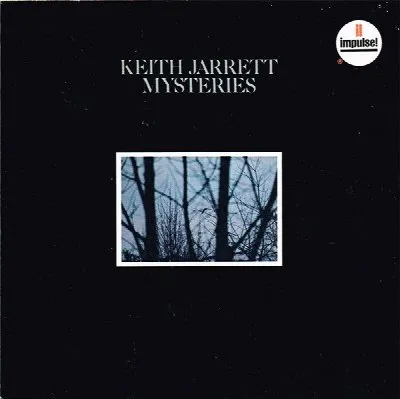
Released 50 years ago
Mysteries
Keith Jarrett · 1976
42 min · 4 tracks · jazz
An expansive exploration of jazz, blending improvisation with meditative themes and intricate melodies across its four tracks.
Top tracks — play these first
-
→
Rotation — This opening track sets the tone for the album with complex rhythmic structures and free-form exploration, exemplifying Jarrett's unique approach to improvisation.
-
→
Everything That Lives Laments — The piece combines lyrical melodies with an emotional depth that showcases Jarrett's ability to convey profound feelings through his piano work.
-
→
Mysteries — The title track embodies the essence of the album, featuring extended improvisation that invites listeners into a contemplative space filled with varying dynamics and textures.
Elevation
Our rating, out of 100 — and why.
AI-generated from five scored dimensions. An opinion, not a measurement.
InstrumentalThe album showcases intricate improvisation and meditative themes, marking a significant moment in Jarrett's career.
What we noticed
- Each of the four tracks features extended improvisation, with melodies that evolve organically over time.
- The album opens with a rhythmic pulse in 'Rotation' that gradually transitions into more free-form exploration.
- The final track, 'Mysteries', incorporates a gradual build-up of intensity before tapering off into a reflective conclusion.
- Composition 25% of the score
-
8/10
- Craft 20% of the score
-
7/10
- Durability 25% of the score
-
8/10
- Distinctiveness 18% of the score
-
7/10
- Sequencing 12% of the score
-
6/10
the writing — melody, harmony, structure, lyrics
production, performance, arrangement
whether it rewards returning to it
whether it sounds like itself
running order, pacing, length
Significant within its genre. Reported but not counted — how far a record travelled describes its reception rather than the record, and a newer release has had less time to travel than an older one.
Where this album fits
- In the catalog
- Critical Peak — Innovative approach to jazz improvisation, influential in the genre's evolution.
- Themes
- meditative improvisation· emotional depth
- Career context
- Released in 1976, Mysteries was Keith Jarrett's first studio album after the groundbreaking success of The Köln Concert. This album marked a period where he began to deeply explore the fusion of classical influences within his jazz improvisations, showcasing his evolving artistry during a prolific phase in his career.
- Stylistic neighbors
- Chick Corea· Brad Mehldau· Bill Evans
Tracklist
Best experienced from track one — press play and let it unfold.
- 1 Rotation 11:03
- 2 Everything That Lives Laments 10:03
- 3 Flame 6:12
- 4 Mysteries 15:07


If this landed
Records by other artists that run on the same instinct.


Reference: Wikipedia · MusicBrainz · Wikidata
Sync your library
Everything you track here works immediately — no account needed. Create one when you want to sync across devices.