

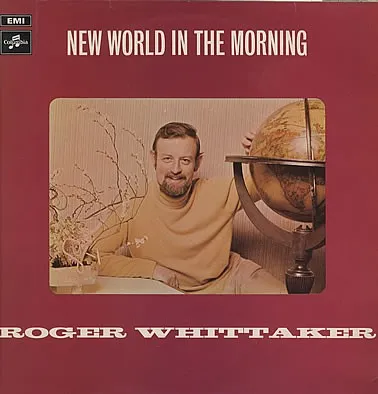
New World in the Morning
Roger Whittaker · 1971
12 tracks · easy listening
Gentle melodies intertwine with heartfelt storytelling, delivering a soothing journey through life's intricacies and emotional landscapes.
Top tracks — play these first
-
→
New World in the Morning Start here — This titular track encapsulates Whittaker's optimistic outlook and showcases his signature smooth vocal style, making it an anthem for hope and renewal.
-
→
The Last Farewell — As one of Whittaker's most enduring songs, it balances poignant lyrics with a memorable melody, illustrating themes of love and loss that resonate deeply.
-
→
Streets of London — This cover of Ralph McTell's classic highlights Whittaker's ability to convey empathy through music while addressing social issues with a gentle touch.
Is this for you?
Good fit if you like
- warm nostalgic acoustic melodies
- steady pacing for reflection
- gentle vocals for morning calm
- evocative themes of longing
Maybe skip if you
- prefer fast-paced excitement
- need high-energy engagement
Where this album fits
- In the catalog
- Breakthrough — Helped establish Whittaker's reputation with a hit title track.
- Themes
- societal reflection· hopeful renewal· British storytelling· nostalgic melodies
- Career context
- Released in 1971, New World in the Morning was Roger Whittaker's fourth studio album, following his breakthrough with The Last Farewell. At this point in his career, Whittaker had begun to solidify his presence in the easy listening genre, leveraging his unique blend of folk and pop influences to reach a wider audience.
- Stylistic neighbors
- John Denver· Jim Croce· Harry Chapin
Tracklist
- 1 Candy Cloud
- 2 A Special Kind of Man
- 3 No Blade of Grass
- 4 Moonshine
- 5 Morning Please Don’t Come
- 6 New World in the Morning Start here
- 7 My Kind
- 8 The Last Farewell
- 9 From Both Sides Now
- 10 Paradise
- 11 Streets of London
- 12 He Starts Below
If this landed
Records by other artists that run on the same instinct.
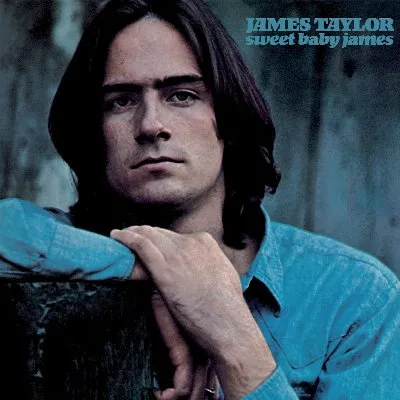
Sweet Baby James
James Taylor
Features soothing vocals and gentle acoustic arrangements with reflective storytelling.
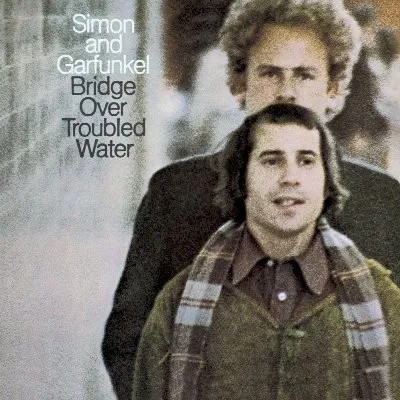
Bridge over Troubled Water
Simon & Garfunkel
Shares themes of hope and nostalgia through melodic harmonies and acoustic instrumentation.
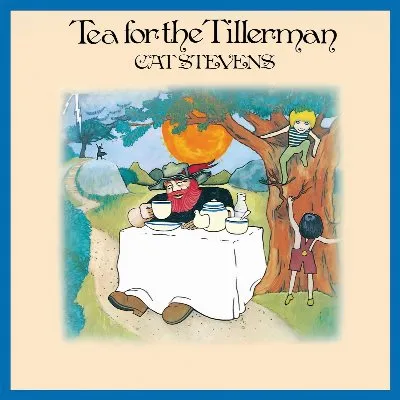
Tea for the Tillerman
Cat Stevens
Blends warm, nostalgic melodies with introspective lyrics and folk-inspired acoustic sound.
Reference: Wikipedia · MusicBrainz · Wikidata
Sync your library
Everything you track here works immediately — no account needed. Create one when you want to sync across devices.