


Olé Coltrane
John Coltrane · 1961
45 min · 4 tracks · jazz
A vibrant tapestry of modal improvisation blends with Afro-Cuban rhythms, showcasing Coltrane's adventurous spirit and lyrical depth.
Top tracks — play these first
-
→
Olé — The title track serves as a sprawling exploration of modal jazz that showcases Coltrane's extraordinary improvisational skills and creativity over its expansive runtime.
-
→
Dahomey Dance — This track highlights rhythmic complexity and cultural influences, embodying the fusion of jazz with African musical traditions that Coltrane was pioneering.
-
→
Aisha — Named after his daughter, this piece features a lyrical quality that contrasts with the more intense tracks, revealing Coltrane's emotional range and melodic sensibility.
Elevation
Our rating, out of 100 — and why.
AI-generated from five scored dimensions. An opinion, not a measurement.
InstrumentalColtrane's exploration of world music influences and intricate improvisation creates a distinctive and engaging jazz experience.
What we noticed
- The title track 'Olé' features a prominent use of Spanish guitar, creating a distinct flamenco influence that sets it apart from traditional jazz.
- Each track showcases extended improvisation, with Coltrane's saxophone weaving through complex rhythmic patterns and modal changes.
- The album maintains a consistent tempo throughout, with the first two tracks being upbeat and the last two offering a more reflective pace.
- Composition 25% of the score
-
8/10
- Craft 20% of the score
-
9/10
- Durability 25% of the score
-
7/10
- Distinctiveness 18% of the score
-
8/10
- Sequencing 12% of the score
-
6/10
the writing — melody, harmony, structure, lyrics
production, performance, arrangement
whether it rewards returning to it
whether it sounds like itself
running order, pacing, length
Significant within its genre. Reported but not counted — how far a record travelled describes its reception rather than the record, and a newer release has had less time to travel than an older one.
Where this album fits
- In the catalog
- Breakthrough — Further establishes Coltrane's reputation with bold fusion of jazz and world music.
- Themes
- avant-garde exploration· Dahomey rhythmic complexity· modal jazz innovation
- Career context
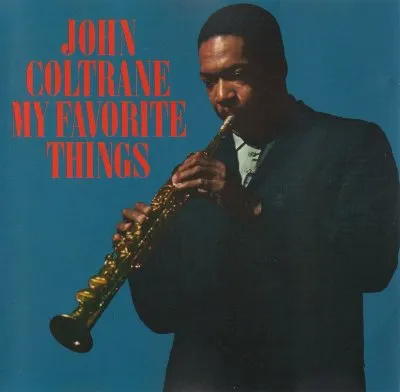
- Released in late 1961, Olé Coltrane represents a pivotal moment in John Coltrane's career, following his groundbreaking album My Favorite Things. This record further establishes Coltrane as a leading innovator in jazz, exploring new modal forms and longer improvisational structures.
- Stylistic neighbors
- Pharoah Sanders· Ornette Coleman· Albert Ayler
Moments worth listening for
Where the writing does something specific.
-
Aisha
The melody shifts from bright and hopeful to more introspective tones, reflecting a deep emotional connection to the subject.
This dynamic contrast within the melody underscores the personal nature of the composition, illustrating how Coltrane conveys emotion through nuanced shifts in musical themes.
Tracklist
Best experienced from track one — press play and let it unfold.
- 1 Olé 18:15
- 2 Dahomey Dance 10:50
- 3 Aisha 7:38
- 4 To Her Ladyship 9:00
If this landed
Records by other artists that run on the same instinct.

The Shape of Jazz to Come
Ornette Coleman
Explores avant-garde structures and improvisation, pushing modal jazz's boundaries.
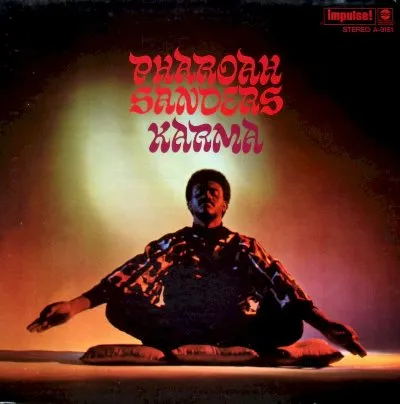
Karma
Pharoah Sanders
Shares spiritual exploration and complex rhythms, blending free jazz with deep emotional resonance.

Journey in Satchidananda
Alice Coltrane
Merges modal jazz with Eastern influences, creating intricate melodies and meditative atmospheres.
Reference: Wikipedia · MusicBrainz · Wikidata
Sync your library
Everything you track here works immediately — no account needed. Create one when you want to sync across devices.