

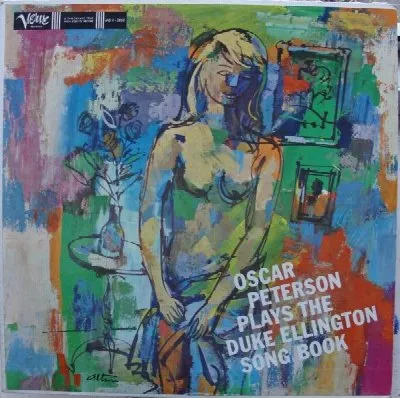
Oscar Peterson Plays the Duke Ellington Song book
Oscar Peterson · 1959
33 min · 12 tracks · blues
A masterful blend of rich harmonic textures and rhythmic sophistication that pays homage to Duke Ellington's timeless compositions.
Top tracks — play these first
-
→
Don’t Get Around Much Anymore Start here — accessible entry with immediate hook
-
→
Take the “A” Train — This track stands out with its vibrant rhythm and sophisticated arrangement, showcasing Peterson's ability to reinterpret a jazz standard while maintaining its original charm.
-
→
Sophisticated Lady — The delicate phrasing and lush harmonies in this piece highlight Peterson's expressive touch, offering a fresh perspective on Ellington’s romantic ballad.
-
→
Cottontail — In this track, Peterson delivers an energetic performance that captures the essence of Ellington’s big band sound, blending intricate improvisation with tight ensemble playing.
Elevation
Our rating, out of 100 — and why.
AI-generated from five scored dimensions. An opinion, not a measurement.
Peterson's virtuosic reinterpretation of Ellington's work shines through in both composition and execution.
What we noticed
- The album features a consistent use of syncopated rhythms and intricate piano lines that highlight Peterson's technical skill.
- Each track maintains a lively tempo, with the majority featuring a swinging feel that invites toe-tapping.
- Several tracks incorporate call-and-response patterns between the piano and rhythm section, creating a dynamic interplay.
- The arrangement of the songs often includes extended solos, allowing Peterson to explore variations on Ellington's themes.
- Composition 25% of the score
-
8/10
- Craft 20% of the score
-
9/10
- Durability 25% of the score
-
7/10
- Distinctiveness 18% of the score
-
8/10
- Sequencing 12% of the score
-
6/10
the writing — melody, harmony, structure, lyrics
production, performance, arrangement
whether it rewards returning to it
whether it sounds like itself
running order, pacing, length
Significant within its genre. Reported but not counted — how far a record travelled describes its reception rather than the record, and a newer release has had less time to travel than an older one.
Is this for you?
Good fit if you like
- steady melodic exploration
- short tracks for quick enjoyment
- vibrant afternoon listening
- intricate piano mastery appreciation
Maybe skip if you
- demanding long listening sessions
- high-energy party atmosphere
Where this album fits
- In the catalog
- Breakthrough — This album solidified Peterson's reputation as a leading jazz pianist through its acclaim.
- Themes
- Duke Ellington's legacy· jazz piano mastery· 1950s jazz scene
- Career context
- By 1959, Oscar Peterson had established himself as a leading figure in jazz, renowned for his virtuosic piano skills. This album, released shortly after his acclaimed works like 'Night Train' (1962), marked a significant moment where he showcased his interpretative prowess over the classic songbook of Duke Ellington, further solidifying his reputation in the jazz community.
- Stylistic neighbors
- Bill Evans· Herbie Hancock· McCoy Tyner
Moments worth listening for
Where the writing does something specific.
-
I’ve Got It Bad and That Ain’t Good
The moment shifts from a somber melody to a more hopeful resolution, revealing layers of emotional complexity within the composition.
This transition showcases how Peterson manipulates dynamics and tempo to emphasize the underlying themes of longing and resilience.
Tracklist
- 1 Don’t Get Around Much Anymore Start here 2:33
- 2 Sophisticated Lady 2:26
- 3 Rockin’ in Rhythm 2:15
- 4 Prelude to a Kiss 2:32
- 5 In a Mellow Tone 3:43
- 6 Cottontail 2:24
- 7 Just a Sittin’ and a Rockin’ 2:58
- 8 Things Ain’t What They Used to Be 3:07
- 9 Take the “A” Train 3:05
- 10 I’ve Got It Bad and That Ain’t Good 3:13
- 11 Do Nothin’ Till You Hear From Me 2:15
- 12 John Hardy’s Wife 2:33
What to play next

Oscar Peterson Plays the Richard Rodgers Songbook
1959
Continues the tribute theme with another iconic songwriter's repertoire.
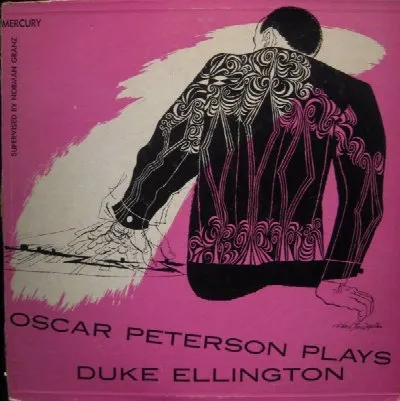
Oscar Peterson Plays Duke Ellington
1952
A natural precursor showcasing earlier interpretations of Ellington's work.
If this landed
Records by other artists that run on the same instinct.
Reference: Wikipedia · MusicBrainz · Wikidata
Sync your library
Everything you track here works immediately — no account needed. Create one when you want to sync across devices.