

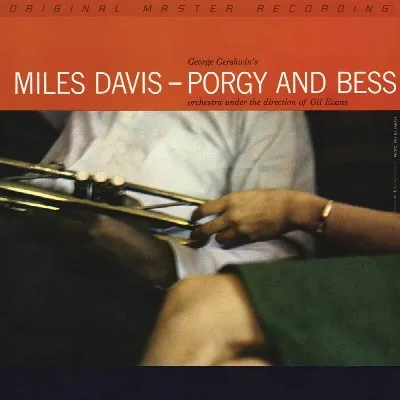
Porgy and Bess
Miles Davis · 1959
58 min · 15 tracks · jazz
A lush orchestral tapestry intertwines jazz improvisation with operatic vocals, creating a haunting and evocative exploration of longing and love.
Top tracks — play these first
-
→
Summertime Start here — This track stands out due to its haunting melody and emotive delivery, encapsulating the essence of longing that permeates the album.
-
→
Bess, You Is My Woman Now — The emotional depth in this duet highlights the powerful interplay between Davis's trumpet and the vocals, showcasing vulnerability and intimacy.
-
→
My Man's Gone Now — This piece exemplifies the album's fusion of jazz with operatic elements, featuring poignant instrumentation that underscores themes of loss and heartache.
-
→
It Ain't Necessarily So — Davis’s interpretation here reflects a playful yet critical view on biblical narratives, blending humor with social commentary through jazz improvisation.
Elevation
Our rating, out of 100 — and why.
AI-generated from five scored dimensions. An opinion, not a measurement.
InstrumentalThe album showcases innovative orchestration and strong thematic development, solidifying its place in jazz history.
What we noticed
- The album features lush orchestration with strings and brass, creating a rich soundscape that complements the jazz elements.
- Each track is structured around a central theme from Gershwin's opera, often extending into improvisational sections led by Davis's trumpet.
- Composition 25% of the score
-
8/10
- Craft 20% of the score
-
9/10
- Durability 25% of the score
-
7/10
- Distinctiveness 18% of the score
-
8/10
- Sequencing 12% of the score
-
8/10
the writing — melody, harmony, structure, lyrics
production, performance, arrangement
whether it rewards returning to it
whether it sounds like itself
running order, pacing, length
Significant within its genre. Reported but not counted — how far a record travelled describes its reception rather than the record, and a newer release has had less time to travel than an older one.
Is this for you?
Good fit if you like
- steady melodic exploration
- rich orchestral textures
- thoughtful afternoon listening
- emotional storytelling through music
Maybe skip if you
- prefer upbeat, fast-paced tracks
- seek standalone singles only
Where this album fits
- In the catalog
- Critical Peak — Showcases ambitious orchestration, marking a high point in Davis's artistic evolution.
- Themes
- American folk reinterpretation· orchestral jazz fusion· operatic melancholy
- Career context
- Released in 1959, Porgy and Bess marked Miles Davis's foray into the world of opera adaptations, following the success of his album Kind of Blue. At this point in his career, Davis was already an influential figure in jazz, pushing boundaries and experimenting with forms. This album showcased his innovative blend of jazz and classical elements, further establishing his reputation as a visionary artist.
- Stylistic neighbors
- John Coltrane· Herbie Hancock· Wayne Shorter
Moments worth listening for
Where the writing does something specific.
-
Bess, You Is My Woman Now
The exchange between the male and female vocalists shifts from yearning to a declaration of possession and commitment.
This dynamic shift in vocal interplay enhances the dramatic tension, illustrating the complexities of love within the context of their relationship.
Tracklist
- 1 Buzzard Song 4:09
- 2 Bess, You Is My Woman Now 5:12
- 3 Gone 3:38
- 4 Gone, Gone, Gone 2:05
- 5 Summertime Start here 3:21
- 6 Oh Bess, Oh Where's My Bess 4:30
- 7 Prayer (Oh Doctor Jesus) 4:42
- 8 Fishermen, Strawberry and Devil Crab 4:07
- 9 My Man's Gone Now 6:16
- 10 It Ain't Necessarily So 4:25
- 11 Here Come de Honey Man 1:20
- 12 I Loves You, Porgy 3:42
- 13 There's a Boat That's Leaving Soon for New York 3:26
- 14 I Loves You, Porgy (take 1, Second version) 4:16
- 15 Gone (take 4) 3:40
If this landed
Records by other artists that run on the same instinct.
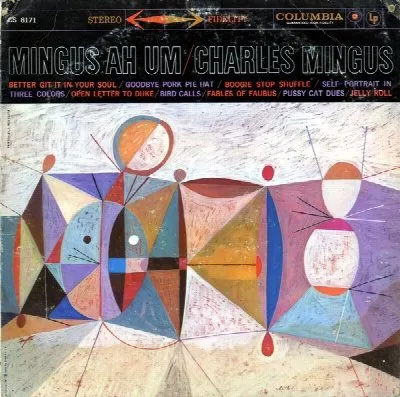
Mingus Ah Um
Charles Mingus
Shares orchestral complexity and deep emotional narratives rooted in American jazz tradition.
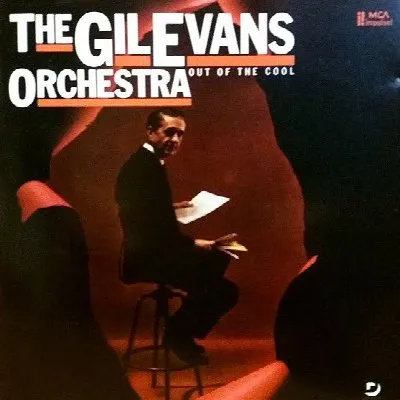
Out of the Cool
Gil Evans
Combines lush orchestration with a blend of jazz and classical elements, echoing similar experimental spirit.
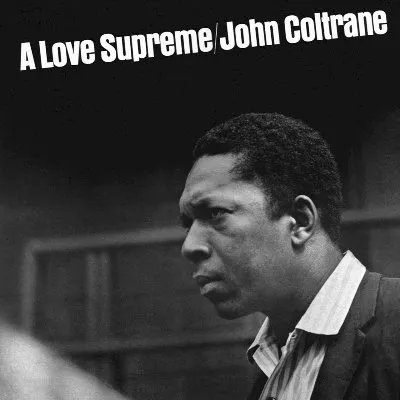
A Love Supreme
John Coltrane
Explores spiritual themes through rich improvisation and orchestral depth, aligning with Porgy and Bess's tonal richness.
Reference: Wikipedia · MusicBrainz · Wikidata
Sync your library
Everything you track here works immediately — no account needed. Create one when you want to sync across devices.