


Top tracks — play these first
-
→
Father to Son Start here — accessible entry with immediate hook
-
→
Ogre Battle — This track encapsulates the album's epic narrative style with its dynamic shifts and soaring vocals, embodying Queen's theatrical flair.
-
→
White Queen (As It Began) — A haunting ballad featuring delicate guitar work and poignant lyrics, it showcases Freddie Mercury's vocal prowess and emotional depth.
-
→
Seven Seas of Rhye — This song serves as a triumphant closer to the album, blending infectious melodies with rich harmonies, marking a turning point in Queen's sound.
Elevation
Our rating, out of 100 — and why.
AI-generated from five scored dimensions. An opinion, not a measurement.
Queen II showcases ambitious songwriting and theatrical elements that set it apart in hard rock.
What we noticed
- The album features a duality in its structure, with the first half focusing on more straightforward rock tracks and the second half delving into complex, theatrical compositions.
- Several tracks incorporate operatic vocal harmonies, particularly in 'The March of the Black Queen', which shifts between multiple tempos and styles within a single song.
- The use of layered instrumentation creates a rich soundscape, especially evident in 'The Fairy Feller’s Master‐Stroke', where intricate arrangements support the narrative lyrics.
- Composition 25% of the score
-
8/10
- Craft 20% of the score
-
8/10
- Durability 25% of the score
-
7/10
- Distinctiveness 18% of the score
-
9/10
- Sequencing 12% of the score
-
6/10
the writing — melody, harmony, structure, lyrics
production, performance, arrangement
whether it rewards returning to it
whether it sounds like itself
running order, pacing, length
Significant within its genre. Reported but not counted — how far a record travelled describes its reception rather than the record, and a newer release has had less time to travel than an older one.
Is this for you?
Good fit if you like
- theatrical storytelling through music
- wave-like pacing with dynamic shifts
- immersive journey through themes
- operatic vocals demanding attention
Maybe skip if you
- prefer straightforward, single-focused tracks
- seek instant gratification in music
Where this album fits
- In the catalog
- Breakthrough — Elevated Queen's profile with ambitious sound and hit 'Seven Seas of Rhye'.
- Themes
- theatrical storytelling· operatic grandeur· fantasy landscapes
- Career context
- Released on March 8, 1974, Queen II was the band's second studio album, following their self-titled debut in 1973. At this point in their career, Queen was beginning to carve out a unique identity within the burgeoning glam rock scene, showcasing their ambitious songwriting and production techniques that would define their later work.
- Stylistic neighbors
- David Bowie· Electric Light Orchestra· The Darkness
Tracklist
- 1 Procession 1:12
- 2 Father to Son Start here 6:13
- 3 White Queen (As It Began) 4:35
- 4 Some Day One Day 4:22
- 5 The Loser in the End 4:03
- 6 Ogre Battle 4:07
- 7 The Fairy Feller’s Master‐Stroke 2:33
- 8 Nevermore 1:26
- 9 The March of the Black Queen 6:33
- 10 Funny How Love Is 2:50
- 11 Seven Seas of Rhye 2:48
- 12 See What a Fool I’ve Been 4:38
- 13 Ogre Battle (remix) 3:29
- 14 Seven Seas of Rhye (remix) 6:35

If this landed
Records by other artists that run on the same instinct.

The Rise and Fall of Ziggy Stardust and the Spiders from Mars
David Bowie
Shares theatrical storytelling and glam rock elements with a vivid, fantastical narrative.

The Lamb Lies Down on Broadway
Genesis
Features intricate arrangements and a concept-driven approach, blending rock with progressive storytelling.
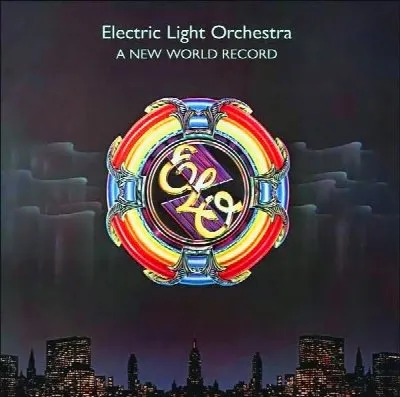
A New World Record
Electric Light Orchestra
Combines orchestral elements with rock, creating a lush, theatrical soundscape reminiscent of operatic grandeur.
Reference: Wikipedia · MusicBrainz · Wikidata
Sync your library
Everything you track here works immediately — no account needed. Create one when you want to sync across devices.