

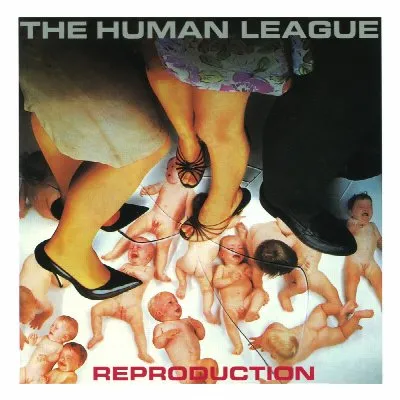
Reproduction
The Human League · 1979
75 min · 17 tracks · electronic music
An experimental blend of synthetic textures and haunting melodies that foreshadows the rise of electronic pop in the late '70s.
Top tracks — play these first
-
→
Almost Medieval Start here — establishes the sonic palette early
-
→
Being Boiled (Fast version) — This track exemplifies The Human League's early sound with its driving beat and atmospheric synthesizers, showcasing their avant-garde approach to pop music.
-
→
Empire State Human — With its infectious melody and lyrical themes of aspiration and alienation, this song captures the essence of urban life and human experience against a backdrop of synthetic soundscapes.
-
→
The Dignity of Labour, Part 1 — This multi-part suite showcases the band's innovative structures and thematic depth, reflecting on labor and societal values through a captivating electronic lens.
Elevation
Our rating, out of 100 — and why.
AI-generated from five scored dimensions. An opinion, not a measurement.
The album showcases early electronic experimentation but lacks strong cohesion and depth for repeated listens.
What we noticed
- The first track features a slow build with layered synths, creating an atmospheric introduction that sets a tone for the album.
- Several tracks incorporate spoken word elements alongside melodic lines, blending different vocal styles within the electronic framework.
- The album includes multiple versions of 'Circus of Death', highlighting different interpretations of the same composition.
- Composition 25% of the score
-
6/10
- Craft 20% of the score
-
6/10
- Durability 25% of the score
-
5/10
- Distinctiveness 18% of the score
-
7/10
- Sequencing 12% of the score
-
4/10
the writing — melody, harmony, structure, lyrics
production, performance, arrangement
whether it rewards returning to it
whether it sounds like itself
running order, pacing, length
Significant within its genre. Reported but not counted — how far a record travelled describes its reception rather than the record, and a newer release has had less time to travel than an older one.
Is this for you?
Good fit if you like
- long, immersive listening sessions
- dynamic emotional journeys
- layered, dense sonic textures
- contemplative late-night vibes
Where this album fits
- In the catalog
- Breakthrough — Established The Human League's presence in electronic music and influenced the synth-pop genre.
- Themes
- synthetic landscapes· labor and society
- Career context
- Reproduction, released in January 1979, marked The Human League's debut album, establishing their presence in the electronic music landscape. At this point, the band was still largely under the radar, experimenting with sounds that would later define the synth-pop genre. This album set the stage for their subsequent commercial breakthrough, especially with their follow-up album, Dare, which would solidify their iconic status.
- Stylistic neighbors
- Depeche Mode· New Order· Soft Cell
Moments worth listening for
Where the writing does something specific.
-
Blind Youth
The verses confront societal expectations directly while layering stark imagery about youth disillusionment.
This lyrical choice contrasts sharp social critique with a melodic delivery, enhancing the emotional weight while inviting listeners to reflect on broader themes.
Tracklist
- 1 Almost Medieval Start here 4:43
- 2 Circus of Death 4:01
- 3 The Path of Least Resistance 3:35
- 4 Blind Youth 3:26
- 5 The Word Before Last 4:06
- 6 Empire State Human 3:17
- 7 Morale… / You’ve Lost That Loving Feeling 9:39
- 8 Austerity / Girl One (medley) 6:46
- 9 Zero as a Limit 4:13
- 10 Introducing 3:21
- 11 The Dignity of Labour, Part 1 4:24
- 12 The Dignity of Labour, Part 2 2:56
- 13 The Dignity of Labour, Part 3 3:58
- 14 The Dignity of Labour, Part 4 3:54
- 15 Flexi Disc 4:11
- 16 Being Boiled (Fast version) 3:54
- 17 Circus of Death (Fast version) 4:43


If this landed
Records by other artists that run on the same instinct.

Reference: Wikipedia · MusicBrainz · Wikidata
Sync your library
Everything you track here works immediately — no account needed. Create one when you want to sync across devices.