

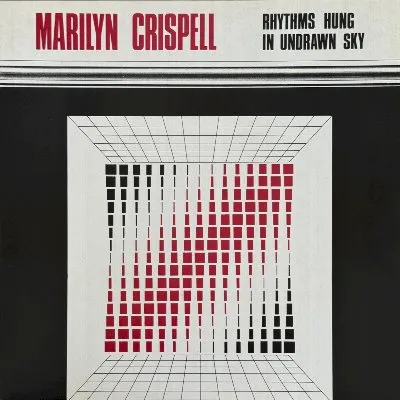
Rhythms Hung in Undrawn Sky
Marilyn Crispell · 1983
47 min · 6 tracks · jazz
A meditative exploration of jazz that melds abstract improvisation with lyrical expressiveness across sprawling compositions.
Top tracks — play these first
-
→
Archaic Visions, Part I Start here — This opening track sets the tone for the entire album, showcasing Crispell's intricate piano work and establishing a rich tapestry of sound that invites listeners into her unique world.
-
→
Sadness — This composition embodies emotional depth, where Crispell's nuanced playing evokes a profound sense of yearning, making it a highlight of her expressive capabilities.
-
→
Rhythms Hung in Undrawn Sky — The title track serves as a centerpiece, intertwining complex rhythms and melodic fragments that illustrate Crispell's innovative approach to improvisation and composition.
Is this for you?
Good fit if you like
- patient explorations of emotional depth
- long, contemplative listening sessions
- immersive soundscapes for introspection
- transcendent moments of quiet reflection
Maybe skip if you
- prefer upbeat, fast-paced tracks
- want immediate gratification from music
Where this album fits
- In the catalog
- Breakthrough — This album marked a significant point in Crispell's recognition as a jazz pianist.
- Themes
- avant-garde jazz exploration· abstract improvisation· emotional depth in sound
- Career context
- Released in 1983, Rhythms Hung in Undrawn Sky was Marilyn Crispell's debut album, marking her emergence as a significant voice in the avant-garde jazz scene. At this point, she had already established a reputation through collaborations with prominent figures like Anthony Braxton and had begun to carve out her own artistic identity.
- Stylistic neighbors
- Cecil Taylor· Paul Bley· Annette Peacock
Tracklist
- 1 Archaic Visions, Part I Start here 10:48
- 2 Love 7:18
- 3 Rhythms Hung in Undrawn Sky 5:46
- 4 Song for Abdullah 8:31
- 5 Sadness 7:50
- 6 Archaic Visions, Part II 7:06
What to play next
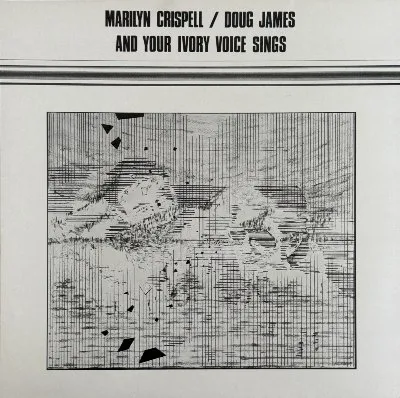
And Your Ivory Voice Sings
1985
This album continues the exploration of intricate melodies and improvisation.

A Concert in Berlin
1983
It sets the stage with live performance energy that leads into Crispell's breakthrough work.
Reference: Wikipedia · MusicBrainz · Wikidata
Sync your library
Everything you track here works immediately — no account needed. Create one when you want to sync across devices.