


Released 52 years ago this November
Saturnight
Cat Stevens · 1974
41 min · 12 tracks · pop music
Stevens’s intimate folk-pop songs open into a warm concert sound, with the Tokyo audience close enough to feel part of the performance.
Top tracks — play these first
-
→
Wild World Start here — The familiar farewell from Tea for the Tillerman gains the immediacy of a concert performance, putting Stevens’s conversational delivery at the center.
-
→
Another Saturday Night — Stevens’s take on Sam Cooke’s comic tale of loneliness brings a brisk pop pulse to a set otherwise rooted in his own songwriting.
-
→
Father & Son — The exchange between generations lets Stevens move between two distinct vocal perspectives, giving the live set one of its clearest dramatic scenes.
-
→
King of Trees — This selection from Buddha and the Chocolate Box brings a more ominous tone to the concert, contrasting with the set’s familiar folk-pop singles.
Elevation
Our rating, out of 100 — and why.
AI-generated from five scored dimensions. An opinion, not a measurement.
The album features strong songwriting and production, with a cohesive sound that reflects its era while exploring personal themes.
What we noticed
- The album opens with the hit single 'Wild World,' which features a prominent acoustic guitar riff and a steady rhythm that sets a reflective tone.
- Several tracks, such as 'Where Do the Children Play?' and 'Peace Train,' incorporate layered harmonies and gentle instrumentation, enhancing the folk-inspired sound.
- Composition 25% of the score
-
7/10
- Craft 20% of the score
-
8/10
- Durability 25% of the score
-
6/10
- Distinctiveness 18% of the score
-
6/10
- Sequencing 12% of the score
-
7/10
the writing — melody, harmony, structure, lyrics
production, performance, arrangement
whether it rewards returning to it
whether it sounds like itself
running order, pacing, length
Significant within its genre. Reported but not counted — how far a record travelled describes its reception rather than the record, and a newer release has had less time to travel than an older one.
Is this for you?
Good fit if you like
- steady mid-tempo reflective journey
- introspective moments for self-discovery
- warm melodies for quiet evenings
- thoughtful soundscapes for contemplation
Maybe skip if you
- seekers of instant gratification
- prefer upbeat party atmospheres
Where this album fits
- In the catalog
- Breakthrough — This album included the hit 'Wild World', solidifying Stevens' commercial appeal.
- Themes
- father-son generational divide· early-70s peace activism· acoustic folk intimacy
- Career context
- Released in Japan in 1974, Saturnight was Cat Stevens’s first live album. It followed a run of successful studio records including Tea for the Tillerman, Teaser and the Firecat and 1974’s Buddha and the Chocolate Box, drawing together songs from across that period.
- Stylistic neighbors
- Donovan· James Taylor· Gordon Lightfoot
Moments worth listening for
Where the writing does something specific.
-
Father & Son
The opening advice from a father gives way to a son’s answer, shifting the song from counsel to rebuttal.
The alternating viewpoints turn a family disagreement into a compact drama without requiring an outside narrator.
Tracklist
- 1 Wild World Start here 3:29
- 2 Oh Very Young 2:27
- 3 Sitting 3:16
- 4 Where Do the Children Play? 3:39
- 5 Lady D'Arbanville 4:02
- 6 Another Saturday Night 2:40
- 7 Hard Headed Woman 3:44
- 8 Peace Train 3:28
- 9 Father & Son 3:38
- 10 King of Trees 3:50
- 11 A Bad Penny 3:22
- 12 Bitterblue 3:23
What to play next

Buddha and the Chocolate Box
1974
Continues the introspective themes with a soothing soundscape.
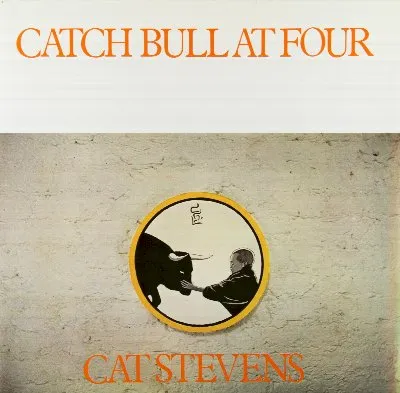
Catch Bull at Four
1972
Leads into more complex arrangements and lyrical depth.
If this landed
Records by other artists that run on the same instinct.
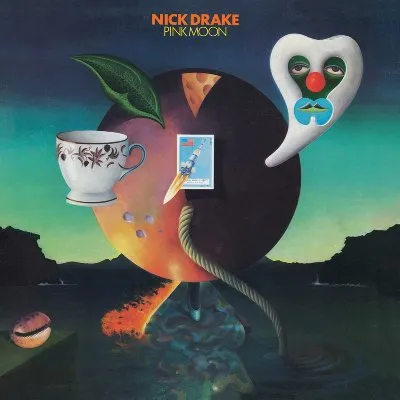
Pink Moon
Nick Drake
Shares intimate acoustic arrangements and inward-looking songwriting, with a similarly hushed late-night feel.
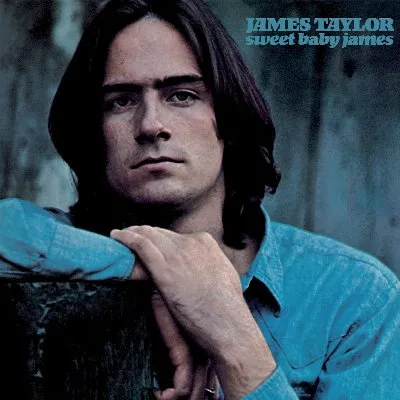
Sweet Baby James
James Taylor
Pairs warm, gently picked folk melodies with personal lyrics and an easy early-70s singer-songwriter sound.
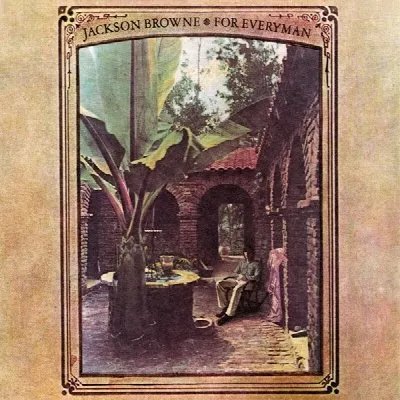
For Everyman
Jackson Browne
Balances reflective, spiritual questions with mellow acoustic folk-rock and close-up storytelling.
Reference: Wikipedia · MusicBrainz · Wikidata
Sync your library
Everything you track here works immediately — no account needed. Create one when you want to sync across devices.