

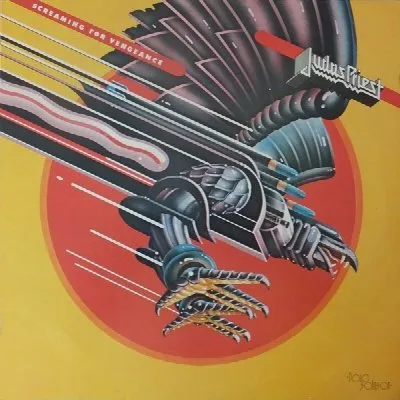
Screaming for Vengeance
Judas Priest · 1982
38 min · 10 tracks · heavy metal
Twin guitars slice through taut heavy metal rhythms while Rob Halford’s voice rises from a commanding bark to a piercing scream.
Top tracks — play these first
-
→
The Hellion — This brief instrumental builds its entrance around harmonized guitars and leads directly into Electric Eye, making the two tracks a defining opening sequence.
-
→
Electric Eye Start here — A driving riff gives way to Halford’s account of an all-seeing surveillance satellite, pairing the band’s precision with a distinctly technological menace.
-
→
Screaming for Vengeance — The title track pushes the album toward its fastest and most frantic extremes, with Halford’s high-register attack riding over a tightly wound guitar riff.
-
→
You’ve Got Another Thing Comin’ — Its measured groove and defiant chorus gave Priest a radio breakthrough without abandoning the hard-edged guitar sound at the album’s core.
Elevation
Our rating, out of 100 — and why.
AI-generated from five scored dimensions. An opinion, not a measurement.
The album showcases strong songwriting and production typical of early '80s heavy metal, with memorable hooks and powerful performances.
What we noticed
- The album opens with a brief instrumental track, 'The Hellion', which seamlessly transitions into the high-energy 'Electric Eye', setting a fast pace.
- Each song typically features dual guitar harmonies and aggressive drumming, with many tracks maintaining a consistent mid to fast tempo throughout.
- Composition 25% of the score
-
8/10
- Craft 20% of the score
-
8/10
- Durability 25% of the score
-
7/10
- Distinctiveness 18% of the score
-
8/10
- Sequencing 12% of the score
-
6/10
the writing — melody, harmony, structure, lyrics
production, performance, arrangement
whether it rewards returning to it
whether it sounds like itself
running order, pacing, length
Significant within its genre. Reported but not counted — how far a record travelled describes its reception rather than the record, and a newer release has had less time to travel than an older one.
Is this for you?
Good fit if you like
- high-energy listening sessions
- short, intense bursts
- dynamic emotional journeys
- motivational workout soundtracks
Where this album fits
- In the catalog
- Breakthrough — Helped popularize heavy metal and solidified the band's mainstream recognition.
- Themes
- surveillance culture· industrial oppression· anxiety of control
- Career context
- Released in 1982, Screaming for Vengeance was Judas Priest’s eighth studio album and followed 1981’s Point of Entry. It retained the lineup of vocalist Rob Halford, guitarists Glenn Tipton and K.K. Downing, bassist Ian Hill and drummer Dave Holland, with Tom Allom producing.
- Stylistic neighbors
- Iron Maiden· Black Sabbath· Accept
Moments worth listening for
Where the writing does something specific.
-
Electric Eye
The opening verse speaks in the first person as a satellite watching people from above, then addresses those under observation directly.
Giving the surveillance device a voice turns a distant piece of technology into an active antagonist.
Tracklist
- 1 The Hellion 0:42
- 2 Electric Eye Start here 3:38
- 3 Riding on the Wind 3:10
- 4 Bloodstone 3:52
- 5 (Take These) Chains 3:07
- 6 Pain and Pleasure 4:17
- 7 Screaming for Vengeance 4:43
- 8 You’ve Got Another Thing Comin’ 5:09
- 9 Fever 5:21
- 10 Devil’s Child 4:47
What to play next
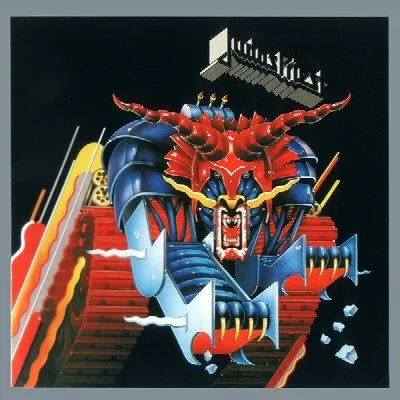
Defenders of the Faith
1984
Continues the heavy metal energy and themes from Screaming for Vengeance.

British Steel
1980
Sets a solid foundation with similar aggressive riffs and iconic sound.
If this landed
Records by other artists that run on the same instinct.
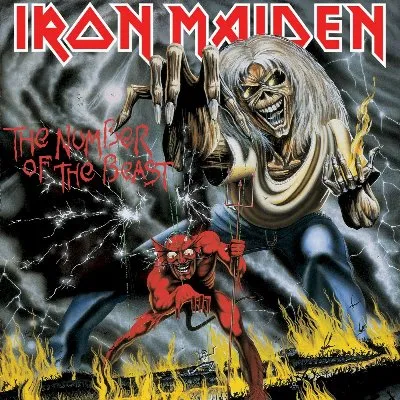
The Number of the Beast
Iron Maiden
Shares aggressive guitar work and themes of anxiety and control in a polished heavy metal sound.

Heaven and Hell
Black Sabbath
Continues the heavy metal tradition with soaring vocals and themes of existential struggle and oppression.
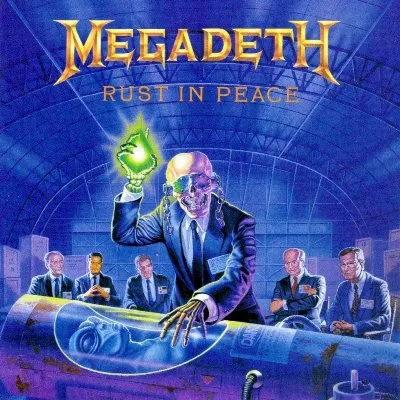
Rust in Peace
Megadeth
Features intricate riffs, aggressive energy, and lyrical themes addressing societal anxieties and conflict.
Reference: Wikipedia · MusicBrainz · Wikidata
Sync your library
Everything you track here works immediately — no account needed. Create one when you want to sync across devices.