

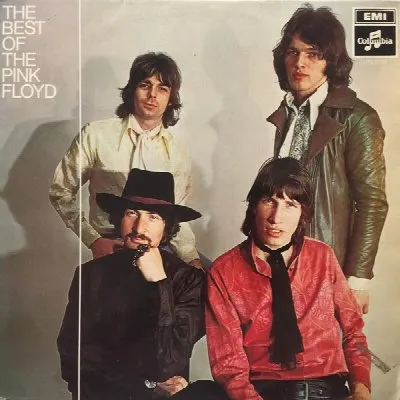
The Best of The Pink Floyd
Pink Floyd · 1970
31 min · 10 tracks · progressive rock
Nursery-rhyme whimsy slips into dreamlike unease as psychedelic pop twists around Syd Barrett’s unruly guitar.
Top tracks — play these first
-
→
Chapter 24 — Barrett draws on the I Ching while the band builds a slow, incantatory atmosphere, revealing a more contemplative side of their debut-era psychedelia.
-
→
Arnold Layne Start here — The debut single turns a tale of clothesline theft into sly psychedelic pop, with a clipped rhythm and a curling organ break.
-
→
Apples and Oranges — Barrett’s final single with the band shifts restlessly between everyday street scenes and jagged guitar, stretching pop form toward something less predictable.
-
→
See Emily Play — A brisk chorus and disorienting instrumental flourishes make the band’s early chart breakthrough both immediately catchy and distinctly strange.
-
→
Julia Dream — This Gilmour-era B-side trades the sharper edges of the Barrett singles for a hushed vocal and drifting Mellotron, pointing toward a different Pink Floyd atmosphere.
Elevation
Our rating, out of 100 — and why.
AI-generated from five scored dimensions. An opinion, not a measurement.
This compilation captures early Pink Floyd's eclectic sound but lacks the cohesion of a studio album.
What we noticed
- Several songs employ unconventional song structures, with abrupt shifts in tempo and mood that reflect their experimental approach.
- Composition 25% of the score
-
6/10
- Craft 20% of the score
-
6/10
- Durability 25% of the score
-
5/10
- Distinctiveness 18% of the score
-
6/10
- Sequencing 12% of the score
-
4/10
the writing — melody, harmony, structure, lyrics
production, performance, arrangement
whether it rewards returning to it
whether it sounds like itself
running order, pacing, length
Known within its scene. Reported but not counted — how far a record travelled describes its reception rather than the record, and a newer release has had less time to travel than an older one.
Is this for you?
Good fit if you like
- whimsical storytelling with nostalgia
- steady mid-tempo flow throughout
- short tracks for quick enjoyment
- kaleidoscopic soundscapes to explore
Maybe skip if you
- seeking lengthy immersive experiences
- prefer fast-paced instant gratification
Where this album fits
- In the catalog
- Breakthrough — This compilation helped establish Pink Floyd's reputation before their major success.
- Themes
- 1960s counterculture· psychedelic whimsy· gender identity exploration
- Career context
- Released in 1970, this compilation looks back at Pink Floyd’s early singles and tracks from their 1967 debut, The Piper at the Gates of Dawn. By then Syd Barrett had left the band, David Gilmour had joined, and Pink Floyd had released Ummagumma.
- Stylistic neighbors
- King Crimson· Yes· Genesis
Tracklist
- 1 Chapter 24 3:44
- 2 Matilda Mother 3:11
- 3 Arnold Layne Start here 2:55
- 4 Candy and a Currant Bun 2:49
- 5 The Scarecrow 2:13
- 6 Apples and Oranges 3:10
- 7 It Would Be So Nice 3:49
- 8 Paint Box 3:49
- 9 Julia Dream 2:37
- 10 See Emily Play 2:47
What to play next
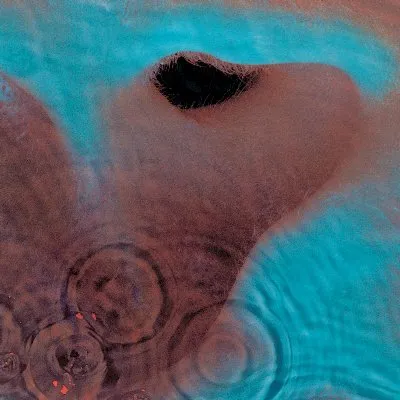
Meddle
1971
Continues the whimsical melodies and introspection with more experimental sounds.
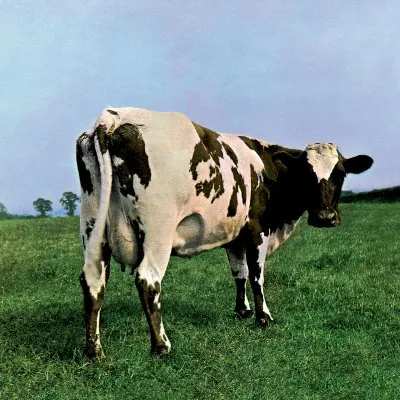
Atom Heart Mother
1970
Leads into a similar blend of orchestral and psychedelic elements.
If this landed
Records by other artists that run on the same instinct.

Sgt. Pepper's Lonely Hearts Club Band
The Beatles
Shares whimsical storytelling and psychedelic soundscapes reflecting 1960s counterculture.
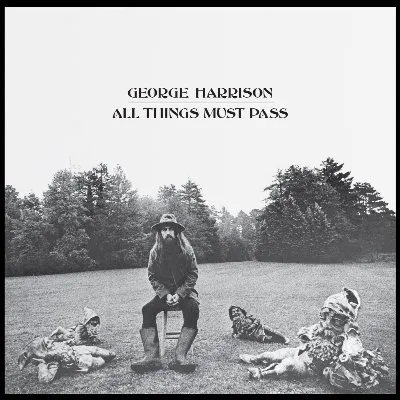
All Things Must Pass
George Harrison
Explores similar themes of introspection and spirituality with lush, layered production.
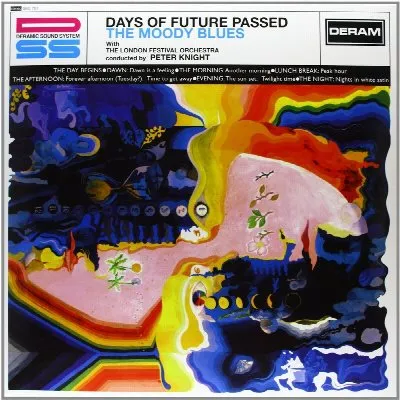
Days of Future Passed
The Moody Blues
Combines orchestral arrangements with a dreamy atmosphere, echoing the psychedelic journey.
Reference: Wikipedia · MusicBrainz · Wikidata
Sync your library
Everything you track here works immediately — no account needed. Create one when you want to sync across devices.