

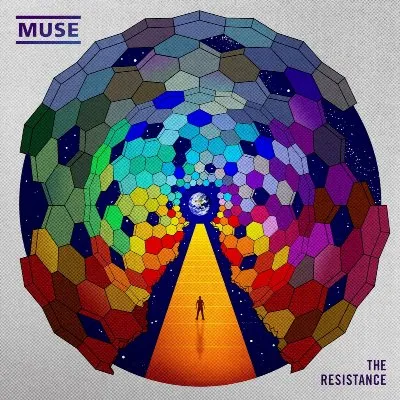
The Resistance
Muse · 2009
54 min · 11 tracks · alternative rock
Stadium-sized rock meets electronic pulse and orchestral grandeur under Matthew Bellamy’s urgent falsetto.
Top tracks — play these first
-
→
Uprising Start here — A stalking electronic bass line and a chant-ready chorus turn the album’s language of resistance into a compact arena anthem.
-
→
Undisclosed Desires — Programmed rhythms and a sleek bass groove put Bellamy’s close-up vocal in a more intimate setting than the record’s grandest rock songs.
-
→
United States of Eurasia / Collateral Damage — Piano-led balladry swells into theatrical harmonies before a passage based on Chopin gives way to the sounds of children and aircraft.
-
→
Exogenesis: Symphony, Part 3: Redemption — The closing movement brings the album’s orchestral ambitions down to a tender piano-led plea, ending its interplanetary story on a fragile human note.
Elevation
Our rating, out of 100 — and why.
AI-generated from five scored dimensions. An opinion, not a measurement.
The album combines orchestral and rock elements effectively, creating a distinct sound that rewards multiple listens.
What we noticed
- The first three tracks build momentum with driving rhythms and anthemic choruses, while the fourth track introduces a more complex arrangement with orchestral elements.
- The album features a three-part symphony at the end, which shifts the tone dramatically from the preceding rock tracks to a more classical sound.
- Several tracks incorporate layered vocal harmonies and dynamic shifts in intensity, creating a sense of drama and urgency throughout.
- Composition 25% of the score
-
8/10
- Craft 20% of the score
-
8/10
- Durability 25% of the score
-
7/10
- Distinctiveness 18% of the score
-
8/10
- Sequencing 12% of the score
-
6/10
the writing — melody, harmony, structure, lyrics
production, performance, arrangement
whether it rewards returning to it
whether it sounds like itself
running order, pacing, length
Significant within its genre. Reported but not counted — how far a record travelled describes its reception rather than the record, and a newer release has had less time to travel than an older one.
Is this for you?
Good fit if you like
- dynamic journey with resolution
- anxiety-releasing anthemic choruses
- immersive orchestral soundscapes
- reflective moments of calm
- sweeping emotional crescendos
Maybe skip if you
- prefer straightforward structures
- seek instant gratification tracks
Where this album fits
- In the catalog
- Critical Peak — It showcases Muse's ambitious sound and received significant acclaim, including a Grammy.
- Themes
- dystopian rebellion· romantic militarism· global oppression· orchestral ambition
- Career context
- Released in 2009, The Resistance was Muse’s fifth studio album and the follow-up to Black Holes and Revelations. The band produced it themselves, expanding their arena-rock sound into a three-part orchestral work.
- Stylistic neighbors
- Radiohead· Queens of the Stone Age· Placebo
Moments worth listening for
Where the writing does something specific.
-
Uprising
The chorus repeats a collective refusal of control before ending each cycle with a declaration of victory.
The repeated shift from defiance to certainty gives the refrain the structure of a rallying chant.
Tracklist
- 1 Uprising Start here 5:02
- 2 Resistance 5:46
- 3 Undisclosed Desires 3:56
- 4 United States of Eurasia / Collateral Damage 5:47
- 5 Guiding Light 4:13
- 6 Unnatural Selection 6:54
- 7 MK Ultra 4:06
- 8 I Belong to You / Mon cœur s’ouvre à ta voix 5:38
- 9 Exogenesis: Symphony, Part 1: Overture 4:18
- 10 Exogenesis: Symphony, Part 2: Cross‐Pollination 3:56
- 11 Exogenesis: Symphony, Part 3: Redemption 4:37
If this landed
Records by other artists that run on the same instinct.
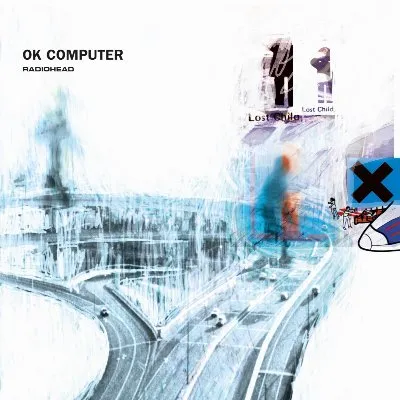
OK Computer
Radiohead
Shares dystopian themes and orchestral elements with a complex, atmospheric sound.

The Suburbs
Arcade Fire
Explores themes of suburban alienation and rebellion with rich instrumentation and anthemic choruses.

The Fragile
Nine Inch Nails
Combines intricate arrangements and dark themes, reflecting a similar emotional and sonic depth.
Reference: Wikipedia · MusicBrainz · Wikidata
Sync your library
Everything you track here works immediately — no account needed. Create one when you want to sync across devices.