

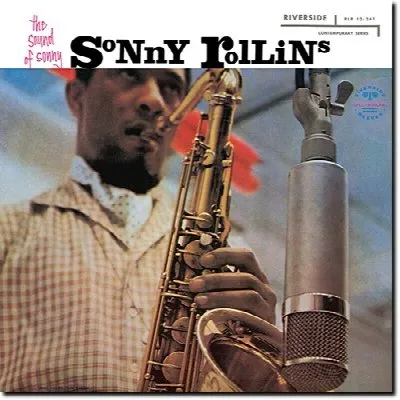
The Sound of Sonny
Sonny Rollins · 1957
44 min · 10 tracks · jazz
A vibrant fusion of lyrical melodies and rhythmic sophistication, showcasing Rollins' mastery of improvisation and playful exploration.
Top tracks — play these first
-
→
The Last Time I Saw Paris Start here — establishes the sonic palette early
-
→
Ev'ry Time We Say Goodbye — This track highlights Rollins' ability to blend emotional depth with technical prowess, transforming a standard into a personal statement through intricate phrasing.
-
→
Funky Hotel Blues — With a laid-back groove and soulful expressiveness, this track showcases Rollins' playful approach while engaging with blues elements seamlessly.
-
→
Cutie — Rollins infuses this tune with an infectious rhythm and inventive solos that exemplify his unique style, making it a standout on the album.
Elevation
Our rating, out of 100 — and why.
AI-generated from five scored dimensions. An opinion, not a measurement.
InstrumentalThe album showcases strong compositions and skilled improvisation, marking a significant moment in Rollins' career.
What we noticed
- Several tracks incorporate extended improvisation sections, allowing Rollins to explore melodic variations and rhythmic shifts.
- The arrangement of 'Ev'ry Time We Say Goodbye' contrasts with the surrounding tracks by emphasizing a slower tempo and a more contemplative mood.
- Composition 25% of the score
-
7/10
- Craft 20% of the score
-
8/10
- Durability 25% of the score
-
6/10
- Distinctiveness 18% of the score
-
8/10
- Sequencing 12% of the score
-
7/10
the writing — melody, harmony, structure, lyrics
production, performance, arrangement
whether it rewards returning to it
whether it sounds like itself
running order, pacing, length
Significant within its genre. Reported but not counted — how far a record travelled describes its reception rather than the record, and a newer release has had less time to travel than an older one.
Is this for you?
Good fit if you like
- melodic improvisation for relaxation
- saxophone artistry that captivates
- for evening unwind
- vibrant background for conversations
Maybe skip if you
- seeking fast-paced excitement
- prefer standalone hit tracks
Where this album fits
- In the catalog
- Breakthrough — This album solidified Rollins' status as a leading figure in jazz during the late 1950s.
- Themes
- post-bop exploration· bluesy storytelling· melodic improvisation
- Career context
- Released in 1957, The Sound of Sonny arrived after Sonny Rollins had established himself as a leading figure in jazz. This album followed his critically acclaimed work with the classic Way Out West and marked a phase where Rollins began to experiment more openly with song structures and harmonic ideas, solidifying his place in the post-bop movement.
- Stylistic neighbors
- John Coltrane· Ornette Coleman· Wayne Shorter
Tracklist
- 1 The Last Time I Saw Paris Start here 2:59
- 2 Just in Time 3:59
- 3 Toot, Toot, Tootsie 4:24
- 4 What Is There to Say 4:55
- 5 Dearly Beloved 3:05
- 6 Ev'ry Time We Say Goodbye 3:24
- 7 Cutie 5:53
- 8 It Could Happen to You 3:46
- 9 Mangoes 5:33
- 10 Funky Hotel Blues 5:59
What to play next
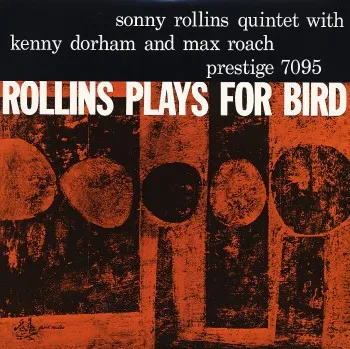
Rollins Plays for Bird
1957
Continues the vibrant improvisation with a focus on tribute and homage.
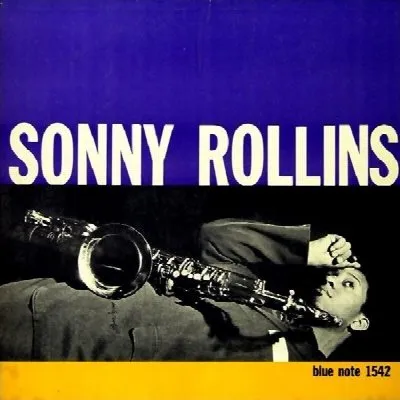
Sonny Rollins, Volume 1
1957
Sets the stage with similar post-bop energy and showcases Rollins' early style.
If this landed
Records by other artists that run on the same instinct.
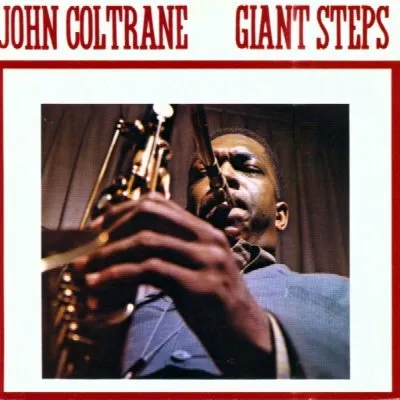
Giant Steps
John Coltrane
Shares complex harmonic structures and innovative improvisation in a post-bop context.
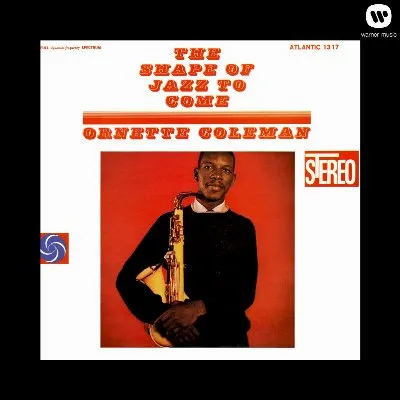
The Shape of Jazz to Come
Ornette Coleman
Explores melodic improvisation with a free jazz approach, pushing boundaries like Rollins did.
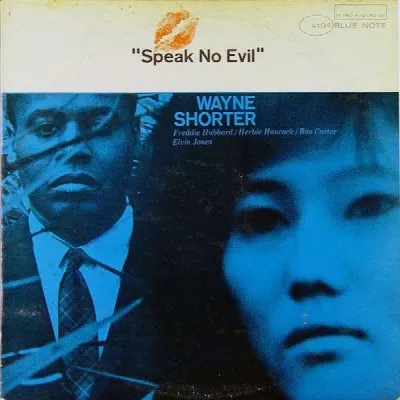
Speak No Evil
Wayne Shorter
Combines lyrical storytelling with intricate arrangements, resonating with Rollins' melodic exploration.
Reference: Wikipedia · MusicBrainz · Wikidata
Sync your library
Everything you track here works immediately — no account needed. Create one when you want to sync across devices.