

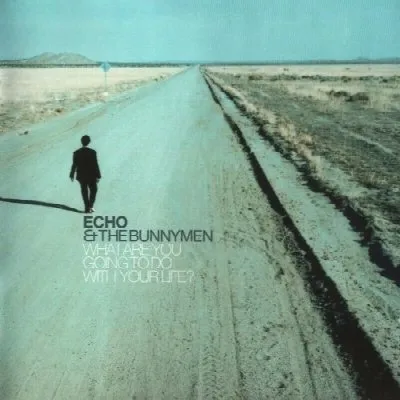
What Are You Going to Do with Your Life?
Echo & the Bunnymen · 1999
38 min · 9 tracks · post-punk
A reflective blend of melodic post-punk and introspective lyrics, capturing a sense of longing and exploration.
Top tracks — play these first
-
→
What Are You Going to Do With Your Life? Start here — The title track opens the album with a haunting melody and existential questions that set the thematic tone for the entire record.
-
→
Rust — This track features a rich tapestry of instrumentation that complements its introspective lyrics, effectively demonstrating the band's ability to blend depth with accessibility.
-
→
Get in the Car — A standout for its driving rhythm and vivid imagery, this song captures a moment of urgency and adventure that resonates throughout the album.
-
→
Morning Sun — This track balances melancholic undertones with an uplifting melody, showcasing the band's knack for blending light and dark themes.
Elevation
Our rating, out of 100 — and why.
AI-generated from five scored dimensions. An opinion, not a measurement.
The album combines reflective lyrics with atmospheric instrumentation, creating a solid but not post-punk sound.
What we noticed
- The album opens with a title track that features layered guitar textures and a steady drumbeat, setting a reflective tone.
- Several tracks incorporate atmospheric synths that create a sense of space, particularly in 'Morning Sun' and 'History Chimes'.
- The lyrical content often explores themes of introspection and longing, with lines that invite the listener to ponder their own experiences.
- The pacing varies throughout, with mid-tempo tracks like 'Get in the Car' contrasting with more subdued pieces such as 'Fools Like Us'.
- Composition 25% of the score
-
6/10
- Craft 20% of the score
-
6/10
- Durability 25% of the score
-
5/10
- Distinctiveness 18% of the score
-
5/10
- Sequencing 12% of the score
-
6/10
the writing — melody, harmony, structure, lyrics
production, performance, arrangement
whether it rewards returning to it
whether it sounds like itself
running order, pacing, length
Known within its scene. Reported but not counted — how far a record travelled describes its reception rather than the record, and a newer release has had less time to travel than an older one.
Is this for you?
Good fit if you like
- steady mid-tempo reflective listening
- introspective moments for contemplation
- suitable for late-night drives
- melodic warmth for quiet evenings
Maybe skip if you
- prefer fast-paced, high-energy tracks
- seek instant gratification in music
Where this album fits
- In the catalog
- Late Career Highlight — Marks a return after hiatus, showcasing the band's enduring appeal.
- Themes
- late '90s introspection· nostalgic reflections· alternative rock revival
- Career context
- Released in 1999, What Are You Going to Do with Your Life? marked Echo & the Bunnymen's return after a six-year hiatus since their previous album, Evergreen. This seventh studio record came during a time when the band sought to reestablish their relevance in the evolving music landscape of the late '90s, following lineup changes and a shift in their creative direction.
- Stylistic neighbors
- The Cure· Joy Division· Siouxsie and the Banshees
Tracklist
- 1 What Are You Going to Do With Your Life? Start here 5:11
- 2 Rust 5:09
- 3 Get in the Car 4:21
- 4 Baby Rain 4:17
- 5 History Chimes 3:26
- 6 Lost on You 4:50
- 7 Morning Sun 4:12
- 8 When It All Blows Over 2:55
- 9 Fools Like Us 4:04
What to play next
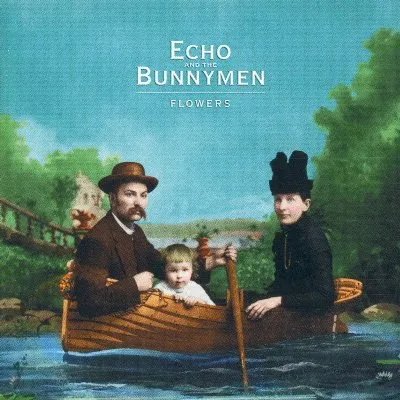
Flowers
2001
Continues the reflective themes with a fresh sonic landscape.
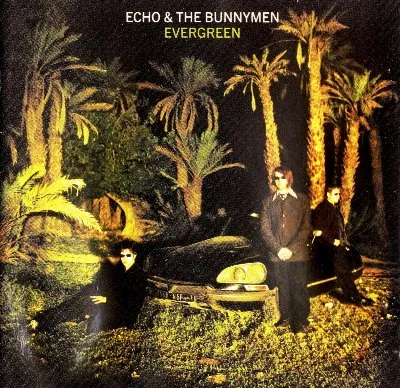
Evergreen
1997
Sets the stage with similar introspective melodies and lyrical depth.
If this landed
Records by other artists that run on the same instinct.
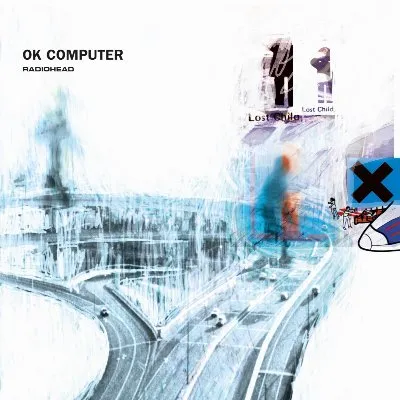
OK Computer
Radiohead
Shares a similar introspective lyricism and lush production, capturing late '90s alternative sentiment.
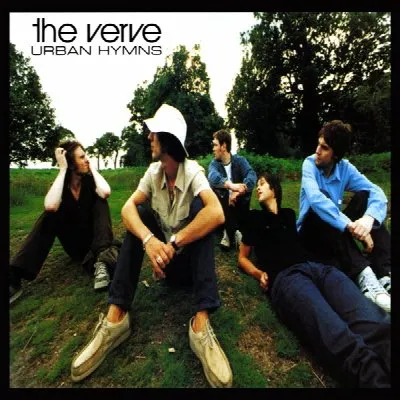
Urban Hymns
The Verve
Both albums explore themes of nostalgia and reflection with a rich, atmospheric soundscape.

The Man Who
Travis
Combines melodic introspection with an alternative rock vibe that resonates with late '90s emotions.
Reference: Wikipedia · MusicBrainz · Wikidata
Sync your library
Everything you track here works immediately — no account needed. Create one when you want to sync across devices.