


Photo: Markgoff2972 · CC BY-SA 4.0
Ravi Shankar
The sound features intricate melodic lines that build tension through subtle rhythmic shifts within expansive frameworks, creating an immersive auditory landscape.
Hindustani classical music · Indian classical music
Start here

The song
“Raga Jog”
Features an engaging melodic line that highlights Shankar's intricate playing and serves as an inviting introduction to his musical approach.
Songs to start with
If you'd rather pick a song than an album.
-
1
"Raga Yemen in Teental" — from Ravi Shankar's Festival from India (1968)
accessible entry with immediate hook
-
2
"I Am Missing You" — from Shankar Family & Friends (1974)
accessible entry with immediate hook
-
3
"Vandanaa Trayee" — from Collaborations (2010)
accessible entry with immediate hook
-
4
"Chase" — from Tana Mana (1987)
accessible entry with immediate hook
-
5
"Charu Keshi" — from Ravi Shankar: In Celebration (1996)
establishes the sonic palette early
-
6
"Vandanaa Trayee" — from Chants of India (1997)
establishes the sonic palette early
About Ravi Shankar
Ravi Shankar reshaped the global perception of Indian classical music, introducing its intricate rhythms and emotive melodies to audiences far beyond its traditional roots.
98 studio albums· 102 total releases· 6 decades· British Raj
Full discography
Ravi Shankar's albums in order, from earliest releases to latest.
Studio albums (80)
Grouped by decade — 9 eras.


2010s (11)

Ravi Shankar - Mind Blowin Melody & Concluding Note
2019

Rāgas & Tālas + India's Master Musician
2016

The Unique Ravi Shankar
2015

The Living Room Sessions Part 2
2013
Ravi Shankar: A Life in Music
2013

Ravi Shankar
2013

Ravi Shankar Symphony
2012

The Living Room Sessions Part 1
2012
That Which Colours the Mind
2011

Psychedelic India
2010

Collaborations
2010
2000s (15)

Rare and Glorious
2009

More Flowers of India
2008

Flowers of India
2007

Sitar Soul
2007

Traditional Ragas
2007
Songs & Dances From the New Village
2007
A Life in Music
2007

Music for Flute and Percussion
2005

Homage To Mahatma Gandhi
2004

Ravi Shankar 70
2003

West Meets East Volume 2
2002

The Teacher - Key Works
2002
Sangeet Sartaj
2002

In San Francisco
2001
Ravi Shankar Presents: The Master Drummers of India
2000
1990s (15)

The Doyen of Hindustani Music
1999
Homage to Mahatma Gandhi
1999

Ragas Varanasi
1998

The World Of Sitar
1997

Chants of India
1997

Towards the Rising Sun
1996

Ravi Shankar: In Celebration
1996

From India
1995

The Spirit Of India - Ravi Shankar Plays Ragas
1995

Menuhin meets Shankar
1993
The Tiger and the Brahmin
1991

Maestro's Choice: Series One: Sitar
1991
Sitar
1991
Improvisations
1991

Passages
1990
1980s (8)

Sitar
1988
Sublime Sounds of Sitar
1987

Tana Mana
1987

Incredible Ravi Shankar - Raga Charukauns
1986

Inde du Nord
1986

Raga Mishra Piloo - Duet for Sitar & Sarod
1984

Raga-Mala (Sitar Concerto No. 2)
1982

Raga Jogeshwari
1980
1970s (11)

Ragas Hameer & Gara
1979
Ravi
1979

East Greets East
1978
Ravi Shankar's Music Festival from India
1976

Shankar Family ૐ Friends
1974

Shankar Family & Friends
1974

Transmigration Macabre
1973

Ragas Kameshwari, Gangeshwari, Rangeshwari
1972

Concerto for Sitar & Orchestra
1971
Joi Bangla
1971

At the Woodstock Festival
1970
1960s (13)

Ragas Nata Bhairav/Raga Mishra Piloo
1968
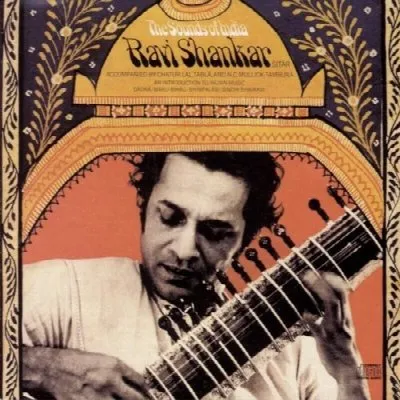
The Sounds of India
1968

Ravi Shankar's Festival from India
1968

Song of God: Bagavad Gita
1967

Two Rāga Moods
1967

Live: Ravi Shankar at the Monterey International Pop Festival
1967

Shree / Sindhu Bhairavi
1965

The Master Musicians of India
1964

Portrait of Genius
1964

Ragas & Talas
1964
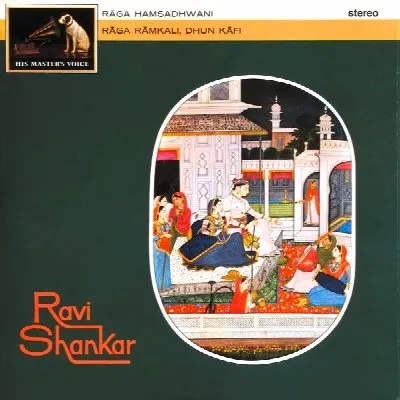
In London
1964
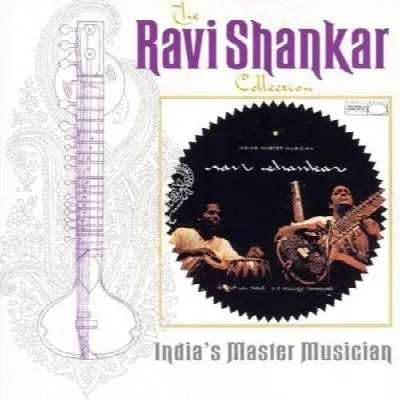
India's Master Musician
1963
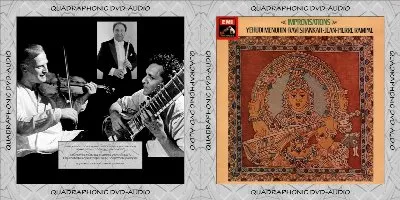
Improvisations
1962
1950s (1)


EPs (3)
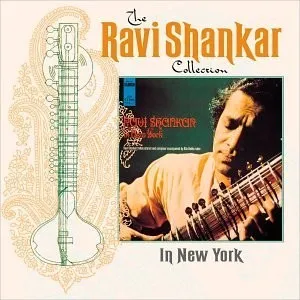


Live (5)
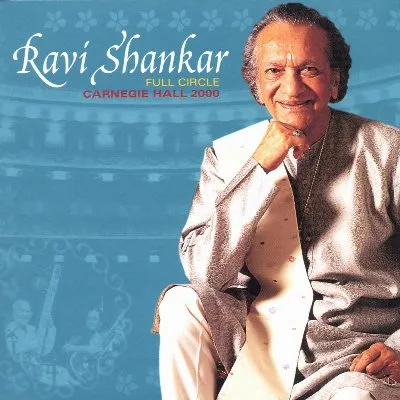


Compilations (3)


Singles (1)
No releases match the current filters.
Listen
Reference
Sync your library
Everything you track here works immediately — no account needed. Create one when you want to sync across devices.