


Ragas & Talas
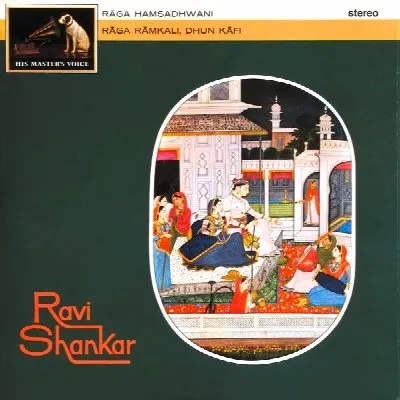
Ravi Shankar · 1964
52 min · 4 tracks · Indian classical music
Intricate melodies intertwine with rhythmic complexity, transporting listeners into the meditative depths of Indian classical music.
Top tracks — play these first
-
→
Raga Jogiya — This track exemplifies the raga's lush melodic structure, allowing Shankar's sitar to explore intricate improvisations that highlight emotional expression.
-
→
Dhun — An engaging composition that merges melody and rhythm seamlessly, this piece showcases Shankar's ability to blend tradition with accessibility for new listeners.
-
→
Raga Madhu-Kauns — The extended form of this raga provides a deep exploration of mood and texture, revealing the profound spiritual connection inherent in Indian classical music.
Elevation
Our rating, out of 100 — and why.
AI-generated from five scored dimensions. An opinion, not a measurement.
InstrumentalRagas & Talas showcases intricate compositions and expert craftsmanship, making it a significant work in Indian classical music.
What we noticed
- Each track features extended improvisation, allowing for intricate melodic development over a consistent rhythmic foundation.
- The album includes traditional Indian instruments such as the sitar and tabla, which create a rich textural interplay throughout.
- Composition 25% of the score
-
8/10
- Craft 20% of the score
-
9/10
- Durability 25% of the score
-
7/10
- Distinctiveness 18% of the score
-
8/10
- Sequencing 12% of the score
-
6/10
the writing — melody, harmony, structure, lyrics
production, performance, arrangement
whether it rewards returning to it
whether it sounds like itself
running order, pacing, length
Significant within its genre. Reported but not counted — how far a record travelled describes its reception rather than the record, and a newer release has had less time to travel than an older one.
Where this album fits
- In the catalog
- Breakthrough — Showcased Indian classical music internationally, enhancing Shankar's recognition.
- Themes
- sitar improvisation· cultural fusion
- Moods
- Introspective
- Career context
- By 1964, Ravi Shankar was already a prominent figure in the world of Hindustani classical music, having gained recognition through his collaboration with Western musicians. This album followed his landmark performance at the Monterey Pop Festival in 1967, which helped to introduce Indian music to a broader audience and solidify his role as a cultural ambassador.
- Stylistic neighbors
- Anoushka Shankar· Ali Akbar Khan· Nikhil Banerjee
Tracklist
Best experienced from track one — press play and let it unfold.
- 1 Raga Jogiya 16:00
- 2 Dhun 10:32
- 3 Rupak Tal 5:12
- 4 Raga Madhu-Kauns 21:03

If this landed
Records by other artists that run on the same instinct.

Reference: Wikipedia · MusicBrainz · Wikidata
Sync your library
Everything you track here works immediately — no account needed. Create one when you want to sync across devices.