

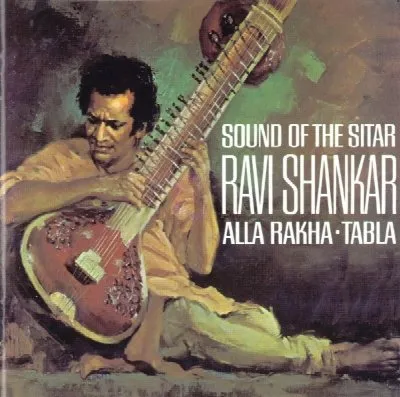
Sound of the Sitar
40 min · 3 tracks · Indian classical music
Intricate sitar melodies intertwine with rhythmic improvisation, evoking a transcendent journey through traditional Indian classical music.
Top tracks — play these first
-
→
Alap and Jor in Raga Malkauns — This track serves as an expansive introduction to the raga, demonstrating Shankar's virtuosity and deep understanding of Indian classical form over an extended improvisational section.
-
→
Tala Sawari — Featuring complex rhythmic patterns, this piece highlights Shankar's ability to blend technical prowess with emotive expression, captivating listeners with its dynamic interplay.
-
→
Pahari Dhun — This track offers a lighter, more playful contrast to the previous pieces, showcasing Shankar’s versatile style and ability to evoke different moods within Indian classical music.
Elevation
Our rating, out of 100 — and why.
AI-generated from five scored dimensions. An opinion, not a measurement.
InstrumentalThe album features intricate compositions and distinct rhythms, showcasing Ravi Shankar's mastery of the sitar.
What we noticed
- The first track features a slow introduction with intricate melodic development, transitioning into a more rhythmic section that showcases improvisation.
- The second track employs a complex rhythmic cycle, allowing the sitar to weave through various melodic phrases while maintaining a steady pulse.
- The final track presents a lighter, more playful theme, incorporating rapid melodic runs and variations that highlight the sitar's expressive capabilities.
- Composition 25% of the score
-
8/10
- Craft 20% of the score
-
7/10
- Durability 25% of the score
-
6/10
- Distinctiveness 18% of the score
-
9/10
- Sequencing 12% of the score
-
8/10
the writing — melody, harmony, structure, lyrics
production, performance, arrangement
whether it rewards returning to it
whether it sounds like itself
running order, pacing, length
Significant within its genre. Reported but not counted — how far a record travelled describes its reception rather than the record, and a newer release has had less time to travel than an older one.
Where this album fits
- In the catalog
- Breakthrough — Released post-Monterey Pop, it boosted Shankar's international recognition.
- Themes
- transcendent journey· spiritual cultural exchange
- Moods
- Introspective
- Career context
- Released in 1968, 'Sound of the Sitar' came during Ravi Shankar's rise to international fame following his groundbreaking performance at the Monterey Pop Festival in 1967. This album showcases his deep connection to Hindustani classical music while also appealing to Western audiences seeking spiritual and cultural experiences through music.
- Stylistic neighbors
- Anoushka Shankar· Ali Akbar Khan· Nikhil Banerjee
Tracklist
Best experienced from track one — press play and let it unfold.
- 1 Alap and Jor in Raga Malkauns 20:48
- 2 Tala Sawari 7:31
- 3 Pahari Dhun 12:31
If this landed
Records by other artists that run on the same instinct.
Reference: Wikipedia · MusicBrainz · Wikidata
Sync your library
Everything you track here works immediately — no account needed. Create one when you want to sync across devices.