

Fabrizio De André albums, ranked
13 records, ordered by our Elevation score — our rating out of 100, not chart position.
Start here
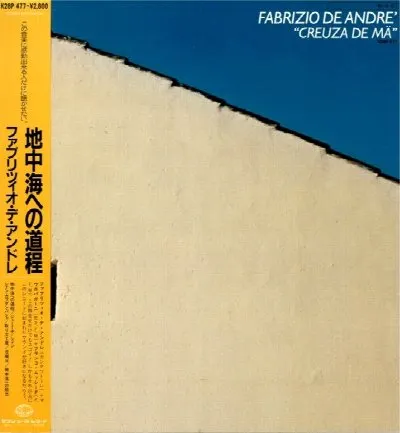
Crêuza de mä
1984
Showcases De André's signature blend of folk and poetic storytelling with a cohesive sound that is accessible to new listeners.
-
1
Crêuza de mä Start here
1984
Genoese voices ride a tide of Mediterranean percussion and plucked strings, making the waterfront feel both ancient and startlingly immediate.
-
2
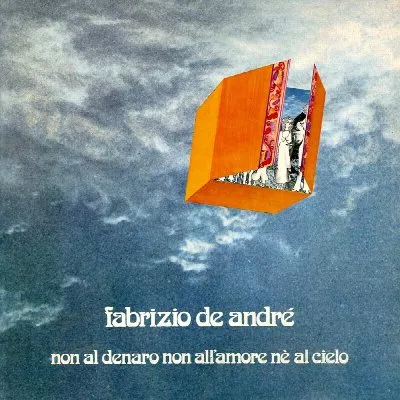
Non al denaro non all'amore né al cielo
1971
Orchestral folk carries graveyard voices through melodies that turn sardonic judgments into intimate confessions.
-
3
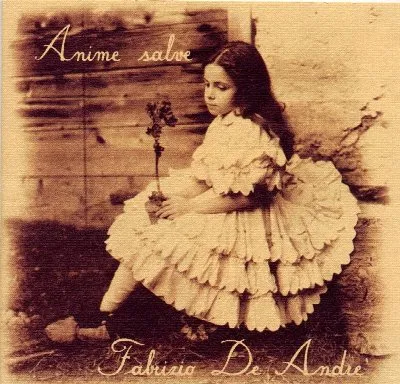
Anime salve
1996
Mediterranean folk currents carry intimate voices through arrangements that drift between dance and solitude.
-
4
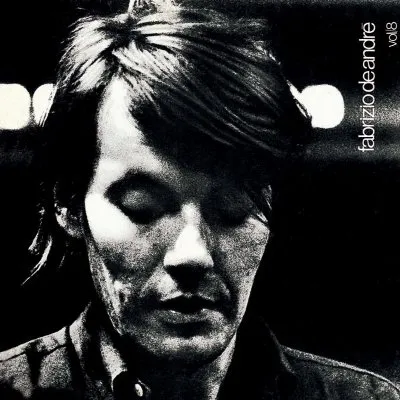
Volume 8
1975
Folk-rooted songs unfold in supple arrangements, carrying Fabrizio De André’s gravelly voice from intimate confession to streetwise parable.
-
5
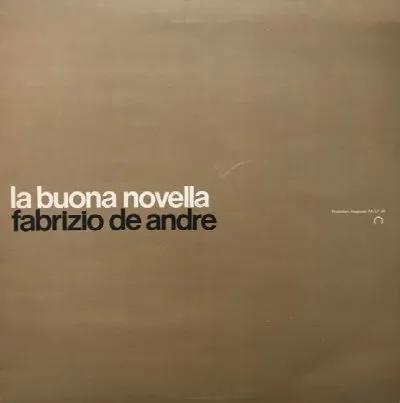
La buona novella
1970
Acoustic guitar and choral voices turn a sacred narrative into an intimate folk drama that grows more urgent on its way to Calvary.
-
6
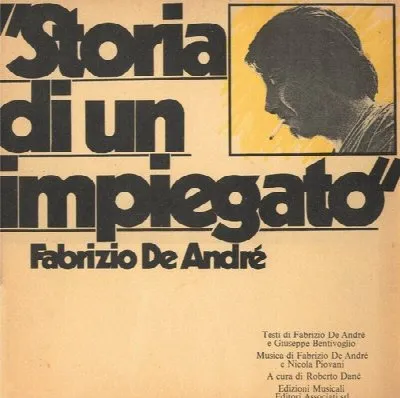
Storia di un impiegato
1973
Orchestral arrangements give De André’s intimate folk storytelling the scale and tension of political theatre.
-
7

Fabrizio De André
1981
Folk-rock arrangements carry De André’s gravelly voice across landscapes where Sardinian pastoral life meets the American West.
-
8
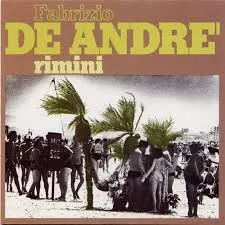
Rimini
1978
Folk storytelling meets expansive arrangements, carrying De André’s weathered voice from Adriatic beaches to imaginary frontiers.
-
9
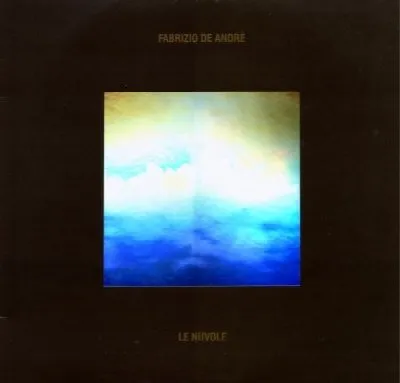
Le nuvole
1990
Dialect voices and theatrical folk arrangements turn regional songs into a bustling satire of power.
-
10
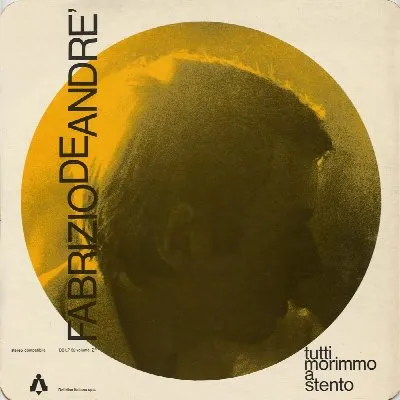
Tutti morimmo a stento
1968
Orchestral arrangements frame De André’s grave folk storytelling as children’s voices and choral passages turn innocence into an unsettling refrain.
-
11
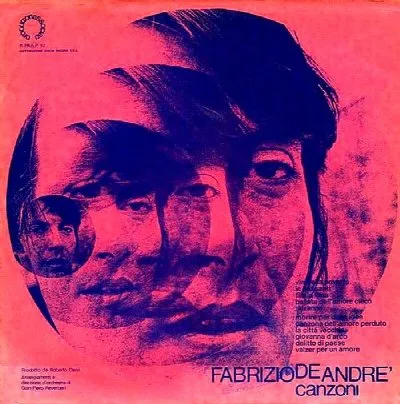
Canzoni
1974
De André’s grave baritone carries folk melodies through intimate ballads and sprawling streets of surreal characters.
-
12
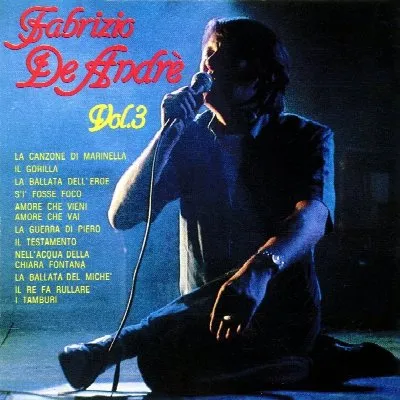
Volume 3
1968
De André’s measured baritone carries folk melodies through stories of doomed lovers and soldiers caught in the machinery of war.
-
13
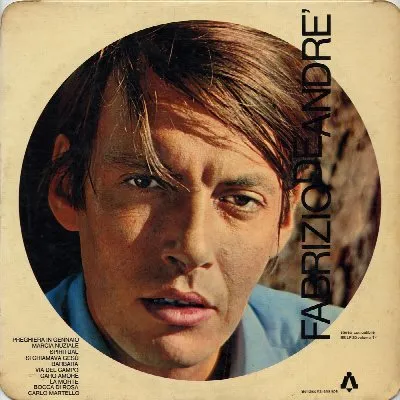
Volume 1
1967
Folk-rooted ballads unfold with orchestral color as De André’s measured voice gives outcasts and sacred figures equal attention.