

Bands & artists like Pulp
If you like Pulp, these artists play in similar sounds, ideas, or styles. Use this as a starting point to branch out and find something new to listen to.
New to Pulp? Start with our listening guide.
Still working through Pulp? See which albums to start with.
Artists to try next

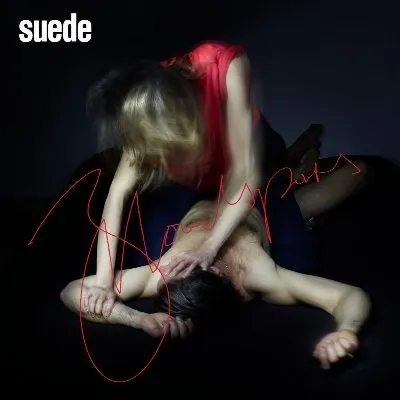
Suede
GuideStart here for the same era of sharply observed British songwriting, dramatic vocal delivery, and guitars that swell from tense verses into sweeping choruses.

Blur
GuideTheir Britpop songs pair clipped, catchy guitar parts and nimble rhythms with vivid portraits of everyday British life.

The Auteurs
Luke Haines’s dry, theatrical vocals and wiry guitar arrangements make their literate early-90s indie a close match for Pulp’s sardonic edge.

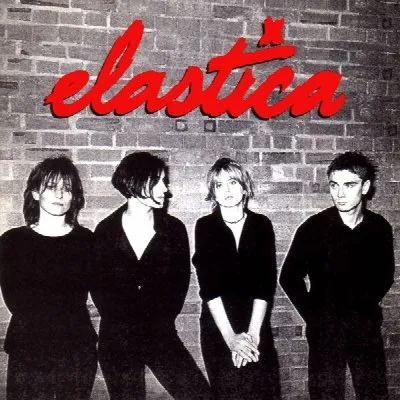
Elastica
Their lean, tightly locked rhythms and jagged guitar hooks offer a punchier, more stripped-back take on the same Britpop-era tension.

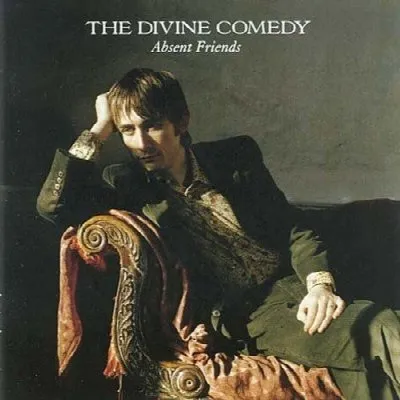
The Divine Comedy
GuideNeil Hannon’s witty, character-driven lyrics and increasingly elaborate arrangements suit listeners drawn to Pulp’s theatrical storytelling.

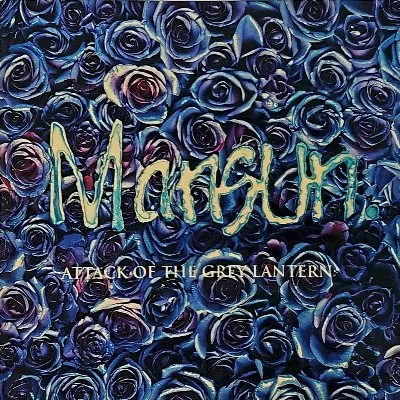
Mansun
Their angular guitars, restless rhythms, and layered builds often turn moody verses into dramatic, cathartic choruses.

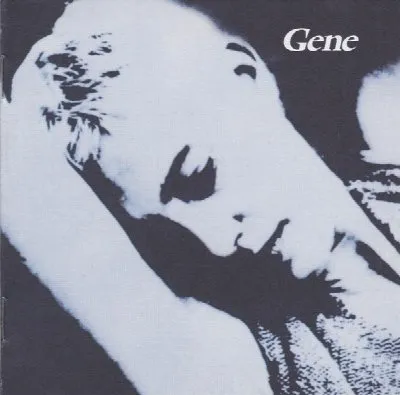
Gene
They combine jangling guitar lines and earnest, expressive vocals with the polished, melodic sound of mid-90s British indie.

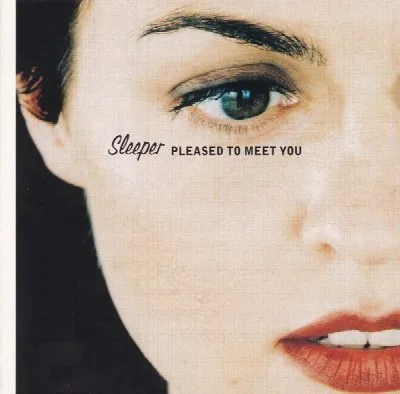
Sleeper
GuideTheir brisk guitar pop and conversational lyrics capture a sardonic, sharply observant side of the Britpop scene.
Common questions
Who sounds like Pulp?
Artists similar to Pulp include Suede, Blur, The Auteurs and Elastica. Each shares elements of Pulp's sound while bringing their own perspective.
What genre is Pulp?
Pulp is primarily known for alternative rock, indie rock and Britpop. Their music is characterized by tight rhythmic grooves paired with jangly guitars and layered textures that build tension before erupting into cathartic releases.
Where should I start if I like Pulp?
If you enjoy Pulp, start with Suede — their album "Bloodsports" is a great entry point. Start here for the same era of sharply observed British songwriting, dramatic vocal delivery, and guitars that swell from tense verses into sweeping choruses.