


Photo: Annemarie Heinrich · Public domain

The Northsound field guide
Where to start with Alberto Ginastera
Argentine dance rhythms meet vivid orchestral color and modernist tension.
Ginastera’s orchestral music turns Argentine dance rhythms into vivid, tightly driven concert pieces. Start with two ballet suites to hear that energy in a clear, accessible form, then follow his shift toward more modernist sounds.
- What they sound like
- Expect sharply accented rhythms, bright orchestral color, and melodies that can move from dance-like momentum to darker, more tense passages. His music often draws on Argentine folk traditions without sounding like straightforward folk music.
- You'll like this if
- You’ll connect with Ginastera if you enjoy classical music with strong rhythmic drive, bold orchestration, and a clear sense of place. His later, more dissonant works may appeal if you like music that feels unsettled rather than tuneful.
01 · Your first stop
Start here.
New to Alberto Ginastera? You don’t need to hear everything. Start with this.

Your first album
Panambí / Estancia
2006 ·Best starting point
The pairing of Panambí and Estancia gives you a focused introduction to Ginastera’s early orchestral style and its Argentine dance influences. Their ballet origins also make the music’s changing scenes and rhythmic momentum easy to follow.
Only have a few minutes?
“Danza final (Malambo)”
Its insistent dance rhythm and quick-building orchestral energy offer a concise taste of the momentum that makes Estancia a useful first listen.
Not the album for you? Try one of these instead.
-
Danzas argentinas / Piano Sonata 1 / Suite de danzas criollas / 3 Pieces (2015) Start here if you want to hear Ginastera’s Argentine-inflected rhythms in solo piano, from compact dances to a larger sonata.

-
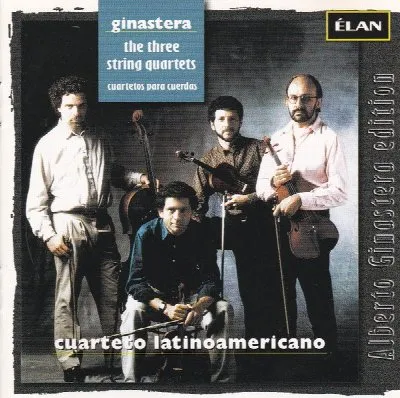
The Three String Quartets (1997) Choose this set if you prefer chamber music, where the string quartets let you follow his changing textures without orchestral scale.
-
Orchestral Works 1: Estancia / Ollantay / Pampeana no. 3 (2015) Try this orchestral collection if you want Estancia alongside the more expansive, atmospheric Ollantay and Pampeana no. 3.

02 · The trail ahead
The records, in order
Every Alberto Ginastera studio album, from the first. Once the first stop lands, keep going in either direction.
-
The Two Cello Concertos 1994 Not yet reviewed

-
The Three String Quartets 1997 Not yet reviewed
-
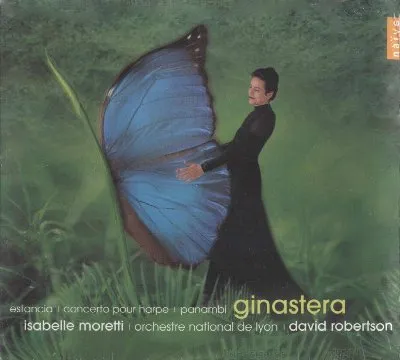
Estancia / Concerto pour harpe / Panambi 2000 Not yet reviewed
-
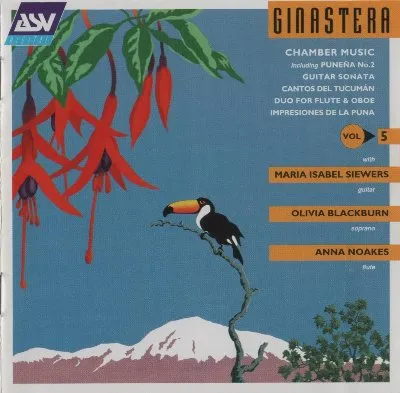
Ginastera, Volume 5: Chamber Music 2001 Not yet reviewed
-
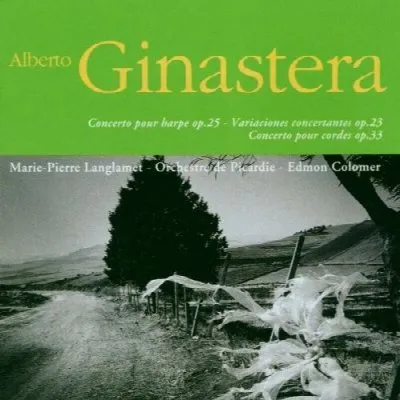
Concerto pour harpe, op. 25 / Variations concertantes, op. 23 / Concerto pour cordes, op. 33 2002 Not yet reviewed
-
Panambí / Estancia 2006 Your first stop Not yet reviewed
-
Complete Piano and Organ Music: Danzas argentinas / Piano Sonatas nos. 1-3 2007 Not yet reviewed

-
String Quartets 2009 Not yet reviewed

-
Orchestral Works 1: Estancia / Ollantay / Pampeana no. 3 2015 Not yet reviewed
-
Bomarzo 2016 Not yet reviewed

03 · Beyond this guide
Where to go next
-
Heitor Villa-Lobos Villa-Lobos offers expansive orchestral textures and folk-inflected melodies that move between exuberance and lyrical reflection. Start with Bachianas Brasileiras (Complete) (2005)

-
Béla Bartók Bartók’s driving rhythms, angular melodies, and transformed folk idioms make a strong match for Ginastera’s more percussive side. Start with Concerto for Orchestra / Music for Strings, Percussion and Celesta (1990)

-
Igor Stravinsky Stravinsky’s propulsive accents, shifting meters, and bold ballet scores suit listeners drawn to Ginastera’s rhythmic intensity. Start with The Rite of Spring (1960)

04 · Keep exploring
The Weekly Dispatch
Every Tuesday, a few more places to start listening.
One short email. Free, unsubscribe anytime. Read this week's.
Common questions
Where should I start with Alberto Ginastera?
Start with Panambí / Estancia (2006). The pairing of Panambí and Estancia gives you a focused introduction to Ginastera’s early orchestral style and its Argentine dance influences. Their ballet origins also make the music’s changing scenes and rhythmic momentum easy to follow.
What does Alberto Ginastera sound like?
Expect sharply accented rhythms, bright orchestral color, and melodies that can move from dance-like momentum to darker, more tense passages. His music often draws on Argentine folk traditions without sounding like straightforward folk music. Rooted in opera and sardana.
In what order should I listen to Alberto Ginastera's albums?
In release order: "The Two Cello Concertos" (1994), "The Three String Quartets" (1997), "Estancia / Concerto pour harpe / Panambi" (2000), "Ginastera, Volume 5: Chamber Music" (2001), "Concerto pour harpe, op. 25 / Variations concertantes, op. 23 / Concerto pour cordes, op. 33" (2002), "Panambí / Estancia" (2006), "Complete Piano and Organ Music: Danzas argentinas / Piano Sonatas nos. 1-3" (2007), "String Quartets" (2009), "Orchestral Works 1: Estancia / Ollantay / Pampeana no. 3" (2015) and "Bomarzo" (2016). New listeners can start with "Panambí / Estancia" and work outward in either direction.
Which artists should I listen to after Alberto Ginastera?
Try Heitor Villa-Lobos (start with "Bachianas Brasileiras (Complete)"), Béla Bartók (start with "Concerto for Orchestra / Music for Strings, Percussion and Celesta") and Igor Stravinsky (start with "The Rite of Spring").