


Photo: Unknown authorUnknown author · Public domain

The Northsound field guide
Where to start with Heitor Villa-Lobos
Brazilian musical character meets classical forms, from intimate guitar writing to expansive orchestral works.
Villa-Lobos moves between Brazilian-inflected melodies, European classical forms, and sharply changing moods. Start with the Bachianas Brasileiras: the series lets you hear that blend across different instruments and scales before you choose whether to follow his guitar, chamber, or orchestral music.
- What they sound like
- Expect classical forms animated by Brazilian rhythmic and melodic character, with music that can turn from buoyant motion to reflective stillness. The sound ranges from solo instruments to large orchestral forces.
- You'll like this if
- You'll connect with Villa-Lobos if you like classical music that shifts between intimate instrumental writing and vivid changes in rhythm, texture, and scale.
01 · Your first stop
Start here.
New to Heitor Villa-Lobos? You don’t need to hear everything. Start with this.

Your first album
Bachianas Brasileiras (Complete)
2005 ·Best starting point
The complete series lets you compare works shaped by the meeting of Brazilian musical character and Baroque forms, rather than hearing only one installment. Its shifts in ensemble and atmosphere offer a useful map of Villa-Lobos's range.
Only have a few minutes?
“Ária (Cantilena)”
Its vocal line and measured pace offer a clear, intimate first impression of the Bachianas Brasileiras before the series expands into other textures.
Not the album for you? Try one of these instead.
-
The Complete Solo Guitar Music (1997) Choose this if you want to begin with solo guitar and hear Villa-Lobos in a close, unaccompanied setting.

-
Chôros 1-7 (2003) Choose this if you want a broader range of instrumental colors and rhythmic activity through the first seven Chôros.

-
Piano Music, Vol. 1: A prole do bebê no. 1 / Cirandas / Hommage à Chopin (1999) Choose this if you want piano music that moves between character pieces and more intricate writing.

02 · The trail ahead
Listening paths
Pick a route through Heitor Villa-Lobos' catalog.
A broad route through Villa-Lobos’s Brazilian identity, signature cycles, and orchestral ambition.
-
1Bachianas Brasileiras (Complete) (2005) Start with the full signature cycle, blending Brazilian and Bachian influences.
-
2Chôros 1-7 (2003) Hear his rhythmic, folkloric side take shape across the early Chôros.
-
3The Complete Solo Guitar Music (1997) Shift to intimate works that reveal his distinctive instrumental voice.
-
4Symphony no. 10 "Amerindia" (2000) Finish with an expansive synthesis of his orchestral and Brazilian worlds.

Begin with memorable melodies and familiar instrumental colors, then explore more fully.
-
1Bachianas Brasileiras Nos. 2, 5, 6 & 9 (L'Orchestre de Paris Mady Mesplé) A welcoming sampler of the best-known cycle and its varied moods.

-
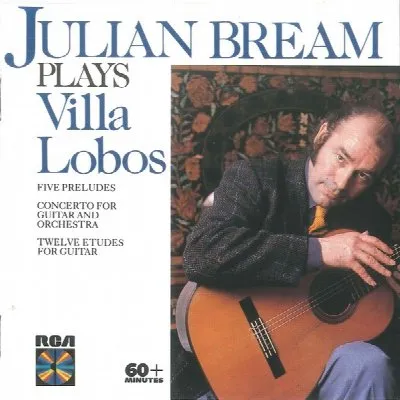
2Julian Bream plays Villa Lobos (1982) Move to clear, lyrical guitar writing in an inviting solo setting.
-
3Floresta do Amazonas (2010) Close with richer orchestral color and a more immersive sound world.

Follow the composer into bold orchestral scale, dense piano writing, and unusual forms.
-
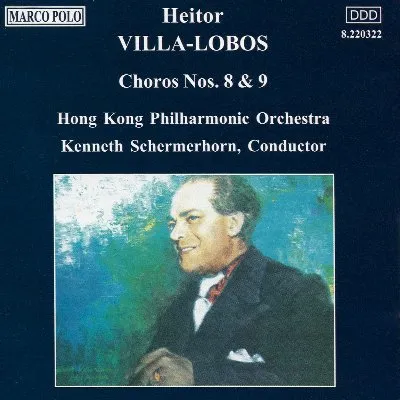
1Chôros nos. 8 & 9 (1985) Begin with large-scale Chôros, where rhythmic layers grow more complex.
-
2Piano Music 6: Rudepoêma / As três Marias / Saudades das selvas brasileiras (2007) Explore demanding piano textures and sharply contrasting moods.

-
3Symphony no. 10 "Amerindia" (2000) Take on a monumental work joining symphonic form and Brazilian themes.
-
4Symphony no. 12 / Uirapuru / Mandu-çarará (2015) End with a varied program of symphonic and vividly theatrical works.

03 · Beyond this guide
Where to go next
-
Alberto Ginastera Try Ginastera for vivid orchestral writing that turns Argentine folk rhythms into shifting, high-tension concert music. Start with Panambí / Estancia (2006)

-
Béla Bartók Bartók is a strong match for intricate orchestral layering, folk-inflected rhythms, and restless shifts between force and contemplation. Start with Concerto for Orchestra / Music for Strings, Percussion and Celesta (1990)

-
Igor Stravinsky Listen for Stravinsky’s propulsive, asymmetrical rhythms and crisp orchestral contrasts, especially in his ballets and stage works. Start with The Rite of Spring (1960)

04 · Keep exploring
The Weekly Dispatch
Every Tuesday, a few more places to start listening.
One short email. Free, unsubscribe anytime. Read this week's.
Common questions
Where should I start with Heitor Villa-Lobos?
Start with Bachianas Brasileiras (Complete) (2005). The complete series lets you compare works shaped by the meeting of Brazilian musical character and Baroque forms, rather than hearing only one installment. Its shifts in ensemble and atmosphere offer a useful map of Villa-Lobos's range.
What does Heitor Villa-Lobos sound like?
Expect classical forms animated by Brazilian rhythmic and melodic character, with music that can turn from buoyant motion to reflective stillness. The sound ranges from solo instruments to large orchestral forces. Rooted in opera and symphony.
In what order should I listen to Heitor Villa-Lobos' albums?
In release order: "Chôros nos. 8 & 9" (1985), "Bachianas Brasileiras 1, 5 & 7" (1986), "Villa-Lobos (Mats Bergström)" (1989), "Piano Music, Vol. 1: A prole do bebê no. 1 / Cirandas / Hommage à Chopin" (1999), "Piano Music" (2000), "Complete Music for Solo Guitar" (2000), "Piano Music, Vol. 2: A prole do bebê no. 2 / Cirandinhas" (2001), "A Obra de Câmara para Sopros de Heitor Villa-Lobos" (2001), "Bachianas Brasileiras (Complete)" (2005) and "The Complete Solo Guitar Works" (2007). New listeners can start with "Bachianas Brasileiras (Complete)" and work outward in either direction.
Which artists should I listen to after Heitor Villa-Lobos?
Try Alberto Ginastera (start with "Panambí / Estancia"), Béla Bartók (start with "Concerto for Orchestra / Music for Strings, Percussion and Celesta") and Igor Stravinsky (start with "The Rite of Spring").