


Photo: Wikimedia Commons · Public domain

The Northsound field guide
Where to start with Alexander Glazunov
With a large catalog of symphonies and orchestral works, it can be hard to know where to begin with Alexander Glazunov. This guide offers a clear entry point: start with The Seasons, then follow a path into the rest of his music.
01 · Your first stop
Start here.
New to Alexander Glazunov? You don’t need to hear everything. Start with this.
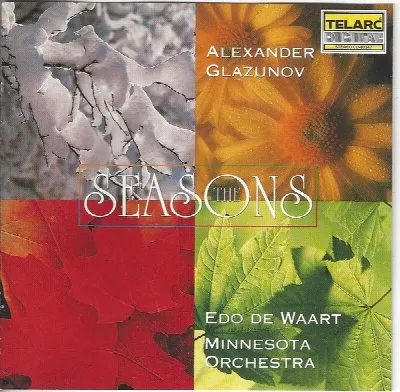
Your first album
The Seasons
1993 ·Best starting point
A cohesive orchestral ballet score that introduces Glazunov’s lush textures and varied moods without requiring familiarity with his symphonies.
Only have a few minutes?
“The Seasons: Autumn”
A vivid, self-contained orchestral movement with a clear melodic profile and shifting colors that quickly introduces his style.
02 · The trail ahead
The records, in order
Every Alexander Glazunov studio album, from the first. Once the first stop lands, keep going in either direction.
-
Raymonda, op. 57: Music From the Ballet 1986 Not yet reviewed

-
The Seasons 1993 Your first stop Not yet reviewed
-
The Complete Solo Piano Music, Volume 1 1996 Not yet reviewed
-
The Romantic Piano Concerto, Volume 13: Glazunov: Piano Concerto no. 1 in F minor / Piano Concerto no. 2 in B major / Goedicke: Concertstück, op. 11 1996 Not yet reviewed
-
Orchestral Works, Volume 4: Stenka Razin 1996 Not yet reviewed

-
Orchestral Works, Volume 8: The Seasons / Scenes de Ballet / Scenes Dansante 1998 Not yet reviewed

-
Orchestral Works, Volume 14: Piano Concertos nos. 1 and 2 2000 Not yet reviewed

-
5 Novelettes / Quartet no. 5 2001 Not yet reviewed

-
Symphony no. 5 / The Seasons 2004 Not yet reviewed

-
BBC Music, Volume 16, Number 3: Glazunov: Symphony no. 5 / Borodin / Tchaikovsky 2007 Not yet reviewed

03 · Beyond this guide
Where to go next
-
Nikolai Rimsky-Korsakov Start here for richly colored Russian orchestration, bright instrumental detail, and sweeping late-Romantic melodies. Start with Scheherazade / Capriccio Espagnol (1984)

-
Pyotr Ilyich Tchaikovsky His symphonies and ballets pair lush harmonies with dramatic contrasts and the same expansive Russian orchestral sweep. Start with The Nutcracker Suite (1990)

-
Anton Arensky His warm, finely woven orchestral writing shares Glazunov's lyrical Russian Romanticism and polished symphonic textures. Start with The Piano Trios (1995)

04 · Keep exploring
The Weekly Dispatch
Every Tuesday, a few more places to start listening.
One short email. Free, unsubscribe anytime. Read this week's.
Common questions
Where should I start with Alexander Glazunov?
Start with The Seasons (1993). A cohesive orchestral ballet score that introduces Glazunov’s lush textures and varied moods without requiring familiarity with his symphonies.
What does Alexander Glazunov sound like?
Glazunov's orchestral textures bloom with lush harmonies and intricate interplay, creating a dynamic ebb and flow that captivates from start to finish. Rooted in classical and symphony.
In what order should I listen to Alexander Glazunov's albums?
In release order: "Raymonda, op. 57: Music From the Ballet" (1986), "The Seasons" (1993), "The Complete Solo Piano Music, Volume 1" (1996), "The Romantic Piano Concerto, Volume 13: Glazunov: Piano Concerto no. 1 in F minor / Piano Concerto no. 2 in B major / Goedicke: Concertstück, op. 11" (1996), "Orchestral Works, Volume 4: Stenka Razin" (1996), "Orchestral Works, Volume 8: The Seasons / Scenes de Ballet / Scenes Dansante" (1998), "Orchestral Works, Volume 14: Piano Concertos nos. 1 and 2" (2000), "5 Novelettes / Quartet no. 5" (2001), "Symphony no. 5 / The Seasons" (2004) and "BBC Music, Volume 16, Number 3: Glazunov: Symphony no. 5 / Borodin / Tchaikovsky" (2007). New listeners can start with "The Seasons" and work outward in either direction.
Which artists should I listen to after Alexander Glazunov?
Try Nikolai Rimsky-Korsakov (start with "Scheherazade / Capriccio Espagnol"), Pyotr Ilyich Tchaikovsky (start with "The Nutcracker Suite") and Anton Arensky (start with "The Piano Trios").