


Photo: Anonymous photographer · Public domain

The Northsound field guide
Where to start with Charles Koechlin
Charles Koechlin’s catalog can be hard to navigate when you’re looking for a place to begin. This guide offers a clear entry point into his music. Start with *Les Heures persanes*, op. 65, then follow a path through his spacious phrases and intricate harmonies.
01 · Your first stop
Start here.
New to Charles Koechlin? You don’t need to hear everything. Start with this.

Your first album
Les Heures persanes, op. 65
2006 ·Best starting point
A cohesive introduction to Koechlin’s atmospheric writing, with spacious phrases and intricate harmonies.
Only have a few minutes?
“Les collines, au coucher du soleil”
Its gradual, atmospheric sweep offers a self-contained introduction to his meditative orchestral style.
02 · The trail ahead
The records, in order
Every Charles Koechlin studio album, from the first. Once the first stop lands, keep going in either direction.
-
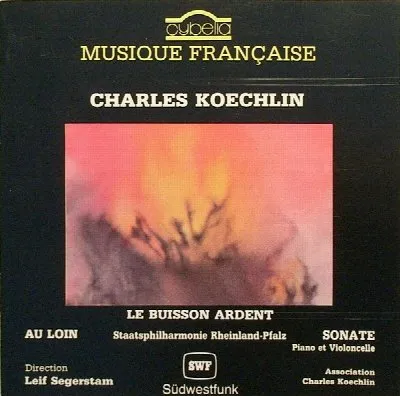
Au loin / Le Buisson ardent / Sonate pour piano et violoncelle 1987 Not yet reviewed
-
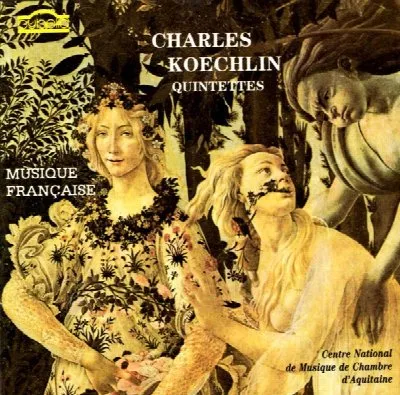
Quintettes 1988 Not yet reviewed
-
Le Buisson ardent / Au loin / Sur les flots lointains 1994 Not yet reviewed

-
La course de printemps, op. 95 / Le buisson ardent, op. 203 & 171 2002 Not yet reviewed

-
L'Abbaye, pour chœur et orgue / Sonatines et Chorals pour orgue 2004 Not yet reviewed

-
Les Heures persanes, op. 65 2006 Your first stop Not yet reviewed
-
Quartets n°1 and n°2 2006 Not yet reviewed

-
Piano Music, Vol. 1 2008 Not yet reviewed

-
Piano Music, Vol. 2 2009 Not yet reviewed

-
Organ Works 2011 Not yet reviewed

03 · Beyond this guide
Where to go next
-
Claude Debussy Try Debussy for orchestral colors and fluid harmonies that turn long phrases into quietly shifting soundscapes. Start with La Mer / Nocturnes (1988)

-
Maurice Ravel Ravel offers similarly intricate French orchestration, with finely layered textures and a reflective, spacious feel. Start with Boléro / Rapsodie Espagnole / La Valse (1994)

-
Gabriel Fauré Fauré shares a refined French harmonic language, with supple melodic lines and a restrained, contemplative character. Start with Fauré: Requiem, Cantique de Jean Racine (1984)

04 · Keep exploring
The Weekly Dispatch
Every Tuesday, a few more places to start listening.
One short email. Free, unsubscribe anytime. Read this week's.
Common questions
Where should I start with Charles Koechlin?
Start with Les Heures persanes, op. 65 (2006). A cohesive introduction to Koechlin’s atmospheric writing, with spacious phrases and intricate harmonies.
What does Charles Koechlin sound like?
Koechlin’s music layers intricate harmonies with expansive phrases, creating a textured landscape that invites deep reflection and meditative movement. Rooted in classical and symphony.
In what order should I listen to Charles Koechlin's albums?
In release order: "Au loin / Le Buisson ardent / Sonate pour piano et violoncelle" (1987), "Quintettes" (1988), "Le Buisson ardent / Au loin / Sur les flots lointains" (1994), "La course de printemps, op. 95 / Le buisson ardent, op. 203 & 171" (2002), "L'Abbaye, pour chœur et orgue / Sonatines et Chorals pour orgue" (2004), "Les Heures persanes, op. 65" (2006), "Quartets n°1 and n°2" (2006), "Piano Music, Vol. 1" (2008), "Piano Music, Vol. 2" (2009) and "Organ Works" (2011). New listeners can start with "Les Heures persanes, op. 65" and work outward in either direction.
Which artists should I listen to after Charles Koechlin?
Try Claude Debussy (start with "La Mer / Nocturnes"), Maurice Ravel (start with "Boléro / Rapsodie Espagnole / La Valse") and Gabriel Fauré (start with "Fauré: Requiem, Cantique de Jean Racine").