


Photo: Herbert Lambert · Public domain

The Northsound field guide
Where to start with Gustav Holst
Start with The Planets for vivid orchestral color and shifting moods.
If you want orchestral music with strong rhythmic drive and sharply changing moods, start with Holst’s The Planets. Its seven movements move from forceful brass and percussion to quieter, more suspended writing, giving you a clear first sense of his range.
- What they sound like
- Holst’s orchestral music pairs memorable melodic shapes with bold contrasts in rhythm, texture, and mood. The Planets moves from muscular brass and percussion to the hushed, lingering sound of its final movement.
- You'll like this if
- You’ll connect with Holst if you like orchestral music that changes character from movement to movement and makes rhythm and instrumental color central to the experience.
01 · Your first stop
Start here.
New to Gustav Holst? You don’t need to hear everything. Start with this.

Your first album
The Planets
1989 ·Strong starting point
Start here to hear the contrast between the imposing opening and the more restrained textures later in the suite.
Only have a few minutes?
“Mars, the Bringer of War” from The Planets Op.32 (1967)
Its insistent pulse, repeating rhythmic figure, and prominent brass introduce the forceful side of Holst’s orchestral writing.
Not the album for you? Try one of these instead.
-
Hammersmith / A Moorside Suite / Suite #1 in E Flat / Suite #2 in F (1993) If you prefer wind-band music, this collection brings together Holst’s military-band suites and Hammersmith, foregrounding brass, woodwinds, and percussion.

-
Beni Mora / Somerset Rhapsody / Hammersmith / Egdon Heath / Invocation for Cello and Orchestra (1998) If you want to move beyond The Planets, this set pairs less familiar orchestral works such as Beni Mora and Egdon Heath.

-
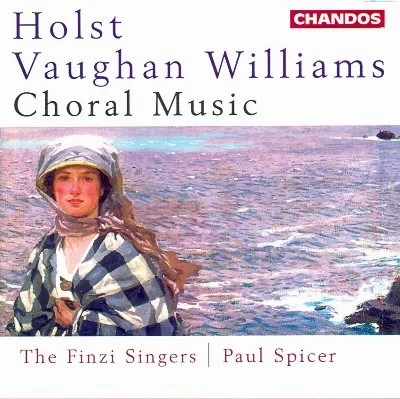
Choral Music (1996) If you are drawn to voices, this choral collection offers an entry point apart from Holst’s orchestral suites.
02 · The trail ahead
Listening paths
Pick a route through Gustav Holst's catalog.
A route from Holst's best-known cosmic vision into the distinctive worlds around it.
-
1The Planets (1989) Start with the orchestral work that defines his public image.
-
2Second Suite in F for Military Band Hear his vivid, tightly shaped writing for wind band.

-
3Sāvitri / The Dream-City (1987) Move from orchestral spectacle to intimate, atmospheric opera.

-
4The Cloud Messenger, Op. 30 / The Hymn of Jesus, Op. 37 (1990) Close with choral works that reveal his spiritual and dramatic range.

Begin with familiar orchestral color, then explore Holst's tuneful suites.
-
1The Planets (1989) Its bold themes and vivid orchestration make an inviting first listen.
-
2The Planets / St Paul's Suite (1989) Keep the familiar sound while adding a bright string suite.

-
3Double Concerto / St Paul's Suite / Brook Green Suite (2007) Finish with approachable chamber and string music.

Explore unusual formats, less familiar orchestral works, and Holst's wider range.
-
1The Planets: Composer's Original Two-Piano Version (1985) Revisit the famous suite in a stripped-back, unusual format.

-
2Orchestral Works, Volume 1: Ballet from "The Perfect Fool" / The Lure / The Golden Goose / The Morning of the Year (2009) Discover theatrical scores beyond the familiar orchestral centerpiece.

-
3Cotswolds Symphony / Walt Whitman Overture / Indra / Japanese Suite / A Winter Idyll (2012) Hear a varied selection of lesser-known orchestral writing.

-
4The Planets: including Colin Matthews: Pluto / The Mystic Trumpeter (2002) End with a later response to The Planets alongside a dramatic work.

03 · Beyond this guide
Where to go next
-
Ralph Vaughan Williams For another British orchestral voice, listen for modal folk-inflected melodies and spacious, sweeping scores such as his symphonies. Start with Symphony no. 5 in D / The Lark Ascending (1987)

-
Edward Elgar His grand brass writing and long, noble melodies offer a stately counterpart to Holst’s celestial orchestral sound. Start with Enigma Variations / Serenade for Strings / In the South (1990)

-
Ottorino Respighi His vivid orchestral tone poems pair radiant color and forceful rhythms in a similarly immersive, large-scale style. Start with Roman Trilogy (2007)

04 · Keep exploring
The Weekly Dispatch
Every Tuesday, a few more places to start listening.
One short email. Free, unsubscribe anytime. Read this week's.
Common questions
Where should I start with Gustav Holst?
Start with The Planets (1989). Start here to hear the contrast between the imposing opening and the more restrained textures later in the suite.
What does Gustav Holst sound like?
Holst’s orchestral music pairs memorable melodic shapes with bold contrasts in rhythm, texture, and mood. The Planets moves from muscular brass and percussion to the hushed, lingering sound of its final movement. Rooted in classical and opera.
In what order should I listen to Gustav Holst's albums?
In release order: "The Planets" (1975), "The Planets: Suite for Orchestra" (1988), "The Planets" (1989), "The Planets" (1990), "The Planets / The Perfect Fool" (1991), "The Planets" (1991), "Hammersmith / A Moorside Suite / Suite #1 in E Flat / Suite #2 in F" (1993), "Holst: The Planets / Grainger: The Warriors" (1995), "The Planets / St. Paul's Suite / The Perfect Fool" (1997) and "The Planets / Pluto" (2001). New listeners can start with "The Planets" and work outward in either direction.
Which artists should I listen to after Gustav Holst?
Try Ralph Vaughan Williams (start with "Symphony no. 5 in D / The Lark Ascending"), Edward Elgar (start with "Enigma Variations / Serenade for Strings / In the South") and Ottorino Respighi (start with "Roman Trilogy").