

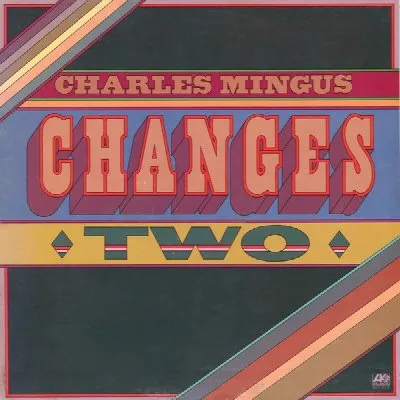
Changes Two
Charles Mingus · 1975
43 min · 5 tracks · jazz
A lean jazz sextet turns from prison protest to Ellingtonian elegy with restless horns and a bass that keeps conversations moving.
Top tracks — play these first
-
→
Free Cell Block F, 'Tis Nazi U.S.A. — A charged prison-protest song puts collective vocals alongside the sextet’s forceful playing, connecting Mingus’s political anger to the band’s improvisational energy.
-
→
Orange Was the Color of Her Dress, Then Silk Blue — This extended performance gives the band room to stretch an older Mingus composition, moving between a memorable melody and expansive solos.
-
→
Duke Ellington's Sound of Love — Jackie Paris’s vocal brings an intimate, mournful focus to Mingus’s tribute to Ellington, contrasting with the album’s more boisterous ensemble passages.
-
→
For Harry Carney — Dedicated to Ellington’s longtime baritone saxophonist, this closing elegy extends the album’s remembrance of the Ellington orchestra in a reflective instrumental setting.
Elevation
Our rating, out of 100 — and why.
AI-generated from five scored dimensions. An opinion, not a measurement.
InstrumentalStrong themes and purposeful solo space give the longer pieces staying power, while the ballad and compact tribute bring a clear shape to the sequence.
What we noticed
- The five-track set opens with the politically titled “Free Cell Block F” and gives its longest stretch to “Orange Was the Color of Her Dress, Then Silk Blue,” where a recurring theme frames extended …
- “Duke Ellington’s Sound of Love” shifts the pace into a ballad setting; “For Harry Carney” follows as a concise closing tribute.
- The arrangements leave room for improvisation, but the recurring written themes keep the longer performances anchored rather than turning them into open-ended jams.
- Composition 25% of the score
-
8/10
- Craft 20% of the score
-
8/10
- Durability 25% of the score
-
8/10
- Distinctiveness 18% of the score
-
8/10
- Sequencing 12% of the score
-
8/10
the writing — melody, harmony, structure, lyrics
production, performance, arrangement
whether it rewards returning to it
whether it sounds like itself
running order, pacing, length
Significant within its genre. Reported but not counted — how far a record travelled describes its reception rather than the record, and a newer release has had less time to travel than an older one.
Is this for you?
Good fit if you like
- a politically charged opening statement
- one expansive seventeen-minute centerpiece
- shifts from protest toward tribute
- concise memorials after a sprawling
Maybe skip if you
- want every track equally brief
- prefer music without political provocation
Where this album fits
- In the catalog
- Late Career Highlight — A key 1970s ensemble release, showcasing Mingus's continued compositional drive late in his career.
- Themes
- prison-cell protest· Ellingtonian elegy· baritone-sax remembrance
- Career context
- Released in 1975, Changes Two was the companion to Changes One, recorded during the same December 1974 sessions. The albums found Charles Mingus leading a working sextet that included saxophonist George Adams and pianist Don Pullen.
- Stylistic neighbors
- Eric Dolphy· Thelonious Monk· Ornette Coleman
Moments worth listening for
Where the writing does something specific.
-
Duke Ellington's Sound of Love
The lyric addresses Ellington directly and asks whether he knows how much he is missed.
The direct question turns a public tribute into a private conversation with someone who cannot answer.
Tracklist
Best experienced from track one — press play and let it unfold.
- 1 Free Cell Block F, 'Tis Nazi U.S.A. 6:55
- 2 Orange Was the Color of Her Dress, Then Silk Blue 17:32
- 3 Black Bats and Poles 6:21
- 4 Duke Ellington's Sound of Love 4:14
- 5 For Harry Carney 7:59
What to play next
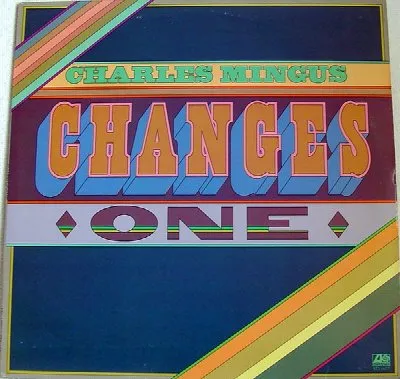
Changes One
1975
It continues the same late-period ensemble sound and gives you the other half of the Changes sessions.
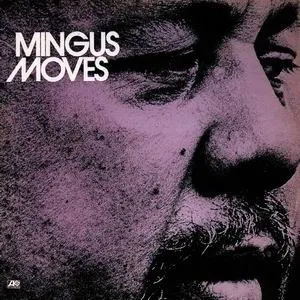
Mingus Moves
1973
Its small-group interplay and late-career writing lead naturally into the Changes-era sessions.
If this landed
Records by other artists that run on the same instinct.
Reference: Wikipedia · MusicBrainz · Wikidata
Sync your library
Everything you track here works immediately — no account needed. Create one when you want to sync across devices.