

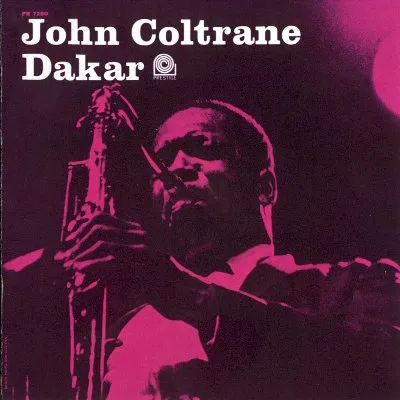
Dakar
John Coltrane · 1963
39 min · 6 tracks · jazz
A vibrant exploration of modal jazz featuring intricate melodies, rhythmic complexity, and Coltrane's signature improvisational prowess.
Top tracks — play these first
-
→
Dakar Start here — The title track serves as a bold introduction to the album's adventurous spirit, featuring an intricate interplay between Coltrane's saxophone and the rhythm section that sets the tone for the entire record.
-
→
Witches' Pit — This track illustrates Coltrane's explorative nature with its complex rhythms and haunting melodies, creating a rich tapestry of sound that captures listeners' attention.
-
→
Cat Walk — With its lively tempo and engaging improvisations, 'Cat Walk' exemplifies Coltrane's ability to merge melodic exploration with rhythmic innovation, making it a standout piece on the album.
Elevation
Our rating, out of 100 — and why.
AI-generated from five scored dimensions. An opinion, not a measurement.
InstrumentalColtrane's exploration of modal melodies and rhythms creates a cohesive yet distinct work within his catalog.
What we noticed
- The album features a consistent use of modal scales across all six tracks, creating a unified sound that reflects African musical influences.
- Each track showcases intricate interplay between the instruments, with Coltrane's saxophone often leading while other instruments provide rhythmic and harmonic support.
- The final track, 'Cat Walk', introduces a more upbeat tempo compared to the preceding pieces, providing a contrasting close to the album.
- Composition 25% of the score
-
8/10
- Craft 20% of the score
-
7/10
- Durability 25% of the score
-
6/10
- Distinctiveness 18% of the score
-
7/10
- Sequencing 12% of the score
-
8/10
the writing — melody, harmony, structure, lyrics
production, performance, arrangement
whether it rewards returning to it
whether it sounds like itself
running order, pacing, length
Known within its scene. Reported but not counted — how far a record travelled describes its reception rather than the record, and a newer release has had less time to travel than an older one.
Is this for you?
Good fit if you like
- steady mid-tempo rhythmic flow
- immersive listening experience in order
- vibrant melodies with intricate layers
- reflective moments of musical exploration
Maybe skip if you
- prefer fast-paced, upbeat tracks
- seek standalone catchy singles
Where this album fits
- In the catalog
- Deep Cut — Showcases Coltrane's evolving style but lacks broad recognition compared to major releases.
- Themes
- African musical traditions· improvisational exploration· rhythmic complexity
- Career context
- By the time 'Dakar' was released in November 1963, John Coltrane was firmly established as a leading figure in jazz following his groundbreaking work on 'A Love Supreme' earlier that year. This album emerged during a period of intense creativity and experimentation for Coltrane, as he continued to push the boundaries of jazz with his innovative approach.
- Stylistic neighbors
- Pharoah Sanders· Ornette Coleman· Albert Ayler
Tracklist
- 1 Dakar Start here 7:07
- 2 Mary's Blues 6:45
- 3 Route 4 6:53
- 4 Velvet Scene 4:52
- 5 Witches' Pit 6:40
- 6 Cat Walk 7:11


If this landed
Records by other artists that run on the same instinct.

The Shape of Jazz to Come
Ornette Coleman
Explores free jazz with complex rhythms and an avant-garde approach to melody and improvisation.

Journey in Satchidananda
Alice Coltrane
Merges Eastern influences with modal jazz, creating a spiritual and rhythmic exploration akin to Coltrane's work.

Zombie
Fela Kuti
Blends African musical traditions with intricate rhythms and improvisational elements, echoing Coltrane's themes.
Reference: Wikipedia · MusicBrainz · Wikidata
Sync your library
Everything you track here works immediately — no account needed. Create one when you want to sync across devices.