

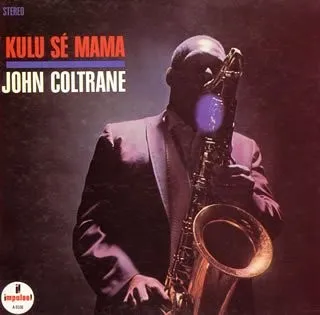
Kulu Sé Mama
John Coltrane · 1967
69 min · 6 tracks · jazz
A transcendent exploration of spiritual themes through expansive improvisation and intricate rhythms, forging new paths in jazz.
Top tracks — play these first
-
→
Kulu Sé Mama (Juno Sé Mama) Start here — The title track serves as a sprawling centerpiece, blending rich textures and spiritual motifs over nearly twenty minutes, encapsulating the album's core ethos.
-
→
Selflessness — This track exemplifies Coltrane's commitment to collective improvisation, creating an immersive experience that captures the essence of communal musical expression.
-
→
Vigil — With its meditative quality, 'Vigil' highlights Coltrane's ability to evoke deep emotion through minimalism, showcasing his mastery of space within sound.
Elevation
Our rating, out of 100 — and why.
AI-generated from five scored dimensions. An opinion, not a measurement.
InstrumentalColtrane's ambitious improvisations and rhythmic explorations create a unique listening experience.
What we noticed
- The first track features a repetitive, meditative rhythm that underpins Coltrane's soaring saxophone improvisation, creating a trance-like atmosphere.
- Each of the five main tracks explores different themes through extended improvisation, with varying dynamics and textures that shift throughout their lengths.
- The album closes with an alternate take of 'Dusk Dawn', which offers a contrasting interpretation of the earlier piece, emphasizing the fluidity of Coltrane's approach.
- Composition 25% of the score
-
8/10
- Craft 20% of the score
-
9/10
- Durability 25% of the score
-
8/10
- Distinctiveness 18% of the score
-
9/10
- Sequencing 12% of the score
-
7/10
the writing — melody, harmony, structure, lyrics
production, performance, arrangement
whether it rewards returning to it
whether it sounds like itself
running order, pacing, length
Significant within its genre. Reported but not counted — how far a record travelled describes its reception rather than the record, and a newer release has had less time to travel than an older one.
Is this for you?
Good fit if you like
- spiritual exploration through sound
- patient unfolding with meditative rhythms
- immersive journey towards resolution
- deep focus for introspective moments
Maybe skip if you
- prefer short, standalone tracks
- seek instant gratification
Where this album fits
- In the catalog
- Experimental — Represents a bold departure from conventional jazz, showcasing Coltrane's evolving sound.
- Themes
- spiritual odyssey· transcendent improvisation· meditative rhythms
- Career context
- By 1967, John Coltrane was deeply immersed in his spiritual journey and expanding his musical boundaries. 'Kulu Sé Mama' followed his landmark album 'A Love Supreme,' and it reflects an artist at the height of his creative powers, delving into complex structures and free jazz forms while continuing to seek a profound connection between music and spirituality.
- Stylistic neighbors
- Pharoah Sanders· Ornette Coleman· Albert Ayler
Tracklist
- 1 Kulu Sé Mama (Juno Sé Mama) Start here 18:50
- 2 Vigil 9:51
- 3 Welcome 5:35
- 4 Selflessness 14:49
- 5 Dusk Dawn 11:00
- 6 Dusk Dawn (alternate take) 9:29
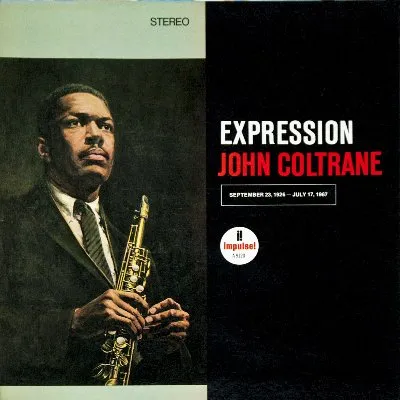
If this landed
Records by other artists that run on the same instinct.
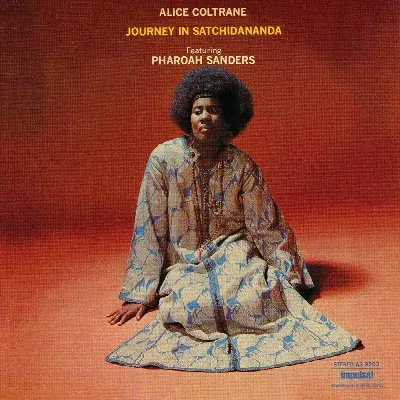
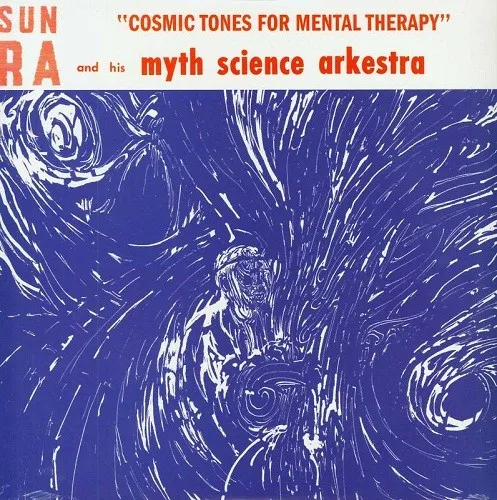
Reference: Wikipedia · MusicBrainz · Wikidata
Sync your library
Everything you track here works immediately — no account needed. Create one when you want to sync across devices.