


Top tracks — play these first
-
→
Turnaround Start here — Coleman’s blues form provides a familiar point of entry into the album’s freer approach to melody. Its twelve-minute span gives the performance room to move beyond the initial theme.
-
→
When Will the Blues Leave — The Coleman tune brings the blues into the foreground while leaving its phrasing open to improvisational play.
-
→
Rejoicing — This Coleman composition offers a different angle on the repertoire, with a melodic identity that invites attention to how the theme is reshaped in performance.
Elevation
Our rating, out of 100 — and why.
AI-generated from five scored dimensions. An opinion, not a measurement.
InstrumentalBley's homage to Coleman is evident through intricate improvisation and melodic exploration, making it a notable entry in free jazz.
What we noticed
- The first track opens with a sparse piano motif that gradually layers in other instruments, creating a sense of unfolding space.
- Each piece features extended improvisation sections where musicians explore melodic ideas rather than adhering to strict forms.
- The album maintains a consistent tempo throughout, with only slight variations in dynamics and intensity across the tracks.
- Composition 25% of the score
-
7/10
- Craft 20% of the score
-
8/10
- Durability 25% of the score
-
6/10
- Distinctiveness 18% of the score
-
8/10
- Sequencing 12% of the score
-
7/10
the writing — melody, harmony, structure, lyrics
production, performance, arrangement
whether it rewards returning to it
whether it sounds like itself
running order, pacing, length
Known within its scene. Reported but not counted — how far a record travelled describes its reception rather than the record, and a newer release has had less time to travel than an older one.
Is this for you?
Good fit if you like
- wave-like emotional explorations
- immersive journey through themes
- deep listening for detail
- reflective moments of solitude
Maybe skip if you
- seeking quick, upbeat tracks
- prefer straightforward song structures
Where this album fits
- In the catalog
- Deep Cut — A contemplative exploration that showcases Bley's unique approach to free jazz.
- Themes
- avant-garde improvisation· Ornette Coleman's influence· emotional depth in jazz
- Career context
- Released in 1998, Notes on Ornette returned Paul Bley to the music of a collaborator he had known since the late 1950s. In 1958, Bley led a Los Angeles engagement featuring Ornette Coleman and Don Cherry, shortly before Coleman’s music became a flashpoint in the development of free jazz.
- Stylistic neighbors
- Andrew Hill· Ran Blake· Lennie Tristano
Tracklist
- 1 Turnaround Start here 12:06
- 2 Lorraine 10:03
- 3 Crossroads 5:51
- 4 When Will the Blues Leave 6:43
- 5 Compassion 9:34
- 6 Rejoicing 10:38
- 7 Aarp 5:53
What to play next

Chaos
1998
Continues the exploration of free jazz with a fresh sonic perspective.

Something About Water
1996
Sets the stage for the improvisational depth found in Notes on Ornette.
If this landed
Records by other artists that run on the same instinct.
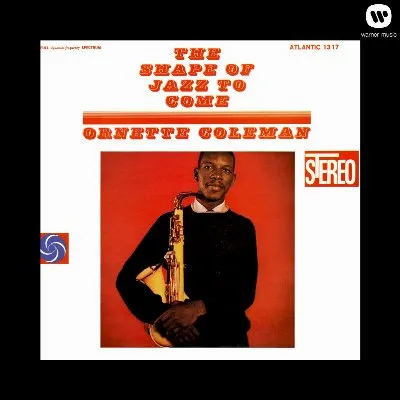
The Shape of Jazz to Come
Ornette Coleman
Innovative free jazz textures and emotional depth that influenced Bley's work.
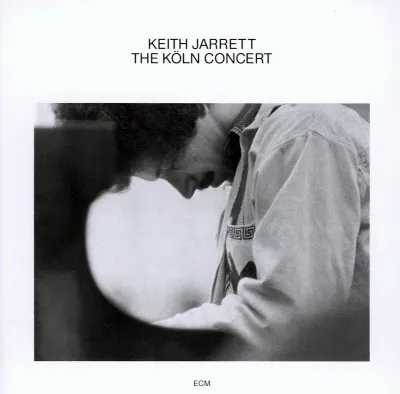
The Köln Concert
Keith Jarrett
Exploratory improvisation with a rich emotional landscape and spontaneous creation.

Unit Structures
Cecil Taylor
Complex, avant-garde structures and intense improvisation reflecting deep emotional engagement.
Reference: Wikipedia · MusicBrainz · Wikidata
Sync your library
Everything you track here works immediately — no account needed. Create one when you want to sync across devices.