


Strangers When We Meet
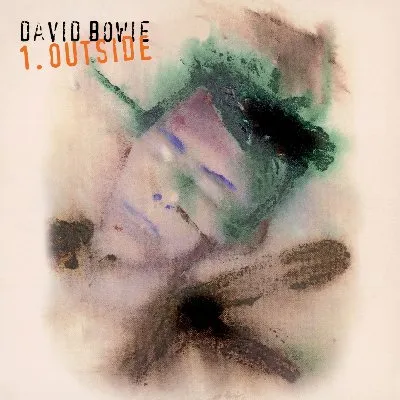
David Bowie · 1995
15 min · 4 tracks · alternative rock
A haunting blend of ambient textures and reflective lyrics that encapsulates Bowie's introspective late career phase.
Top tracks — play these first
-
→
Strangers When We Meet (edit) — As the title track, it encapsulates the album's introspective themes through its melancholic melody and poignant lyrics about disconnection and longing.
-
→
The Man Who Sold the World (live) — This live rendition revitalizes Bowie's classic while showcasing his ability to reinterpret past work within a contemporary context, demonstrating his evolution as an artist.
-
→
Strangers When We Meet (Outside version) — This version expands on the themes presented in the edit, offering a deeper exploration of isolation and connection through its extended instrumentation and atmospheric soundscape.
Elevation
Our rating, out of 100 — and why.
AI-generated from five scored dimensions. An opinion, not a measurement.
The single blends introspective lyrics with varied arrangements, showcasing Bowie's late-career artistry.
What we noticed
- The title track features a slow, steady tempo with layered ambient synths that create a reflective atmosphere.
- The live version of 'The Man Who Sold the World' showcases Bowie's vocal delivery and stage presence, contrasting with the studio tracks.
- The 'Outside version' of 'Strangers When We Meet' includes additional instrumentation and a different arrangement, altering its emotional impact.
- Composition 25% of the score
-
7/10
- Craft 20% of the score
-
8/10
- Durability 25% of the score
-
6/10
- Distinctiveness 18% of the score
-
7/10
- Sequencing 12% of the score
-
5/10
the writing — melody, harmony, structure, lyrics
production, performance, arrangement
whether it rewards returning to it
whether it sounds like itself
running order, pacing, length
Known within its scene. Reported but not counted — how far a record travelled describes its reception rather than the record, and a newer release has had less time to travel than an older one.
Where this album fits
- In the catalog
- Late Career Highlight — Showcases Bowie's artistic reinvention and relevance in his later years.
- Themes
- alienation in urban spaces· ethereal disconnection· late-night introspection
- Career context
- By the time 'Strangers When We Meet' was released in 1995, David Bowie had transitioned into a period of artistic reinvention. This album came as part of his 'Outside' project, marking his return to the music scene after several years of relative quiet following the release of 'The Buddha of Suburbia'. The collaboration with Brian Eno during this phase showcased Bowie's willingness to experiment with sound and lyrical content.
- Stylistic neighbors
- Brian Eno· Roxy Music· Talking Heads
Tracklist
Best experienced from track one — press play and let it unfold.
- 1 Strangers When We Meet (edit) 4:21
- 2 The Man Who Sold the World (live) 3:34
- 3 Strangers When We Meet (Outside version) 5:07
- 4 Get Real 2:50

If this landed
Records by other artists that run on the same instinct.
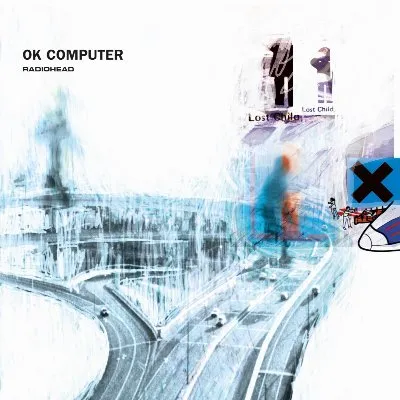
OK Computer
Radiohead
Shares themes of alienation and disconnection with a similarly haunting ambient soundscape.

Dummy
Portishead
Combines introspective lyrics with moody electronic textures, evoking late-night reflection and unease.

High Violet
The National
Explores themes of isolation and introspection, layered with atmospheric instrumentation and melancholic melodies.
Reference: Wikipedia · MusicBrainz · Wikidata
Sync your library
Everything you track here works immediately — no account needed. Create one when you want to sync across devices.