


Released 47 years ago this November
The Wall
Pink Floyd · 1979
80 min · 26 tracks · progressive rock
Rock spectacle gives way to intimate unease as voices and sound effects build a theater of isolation around David Gilmour’s guitar.
Top tracks — play these first
-
→
In the Flesh? Start here — The opening lurches from a faint melody into a guitar-heavy overture, introducing the album’s uneasy relationship between performers and their audience.
-
→
Another Brick in the Wall, Part 2 — A disco-influenced pulse and children’s chorus turn a scene of classroom rebellion into the album’s unlikely hit single.
-
→
Mother — Waters’s anxious questions and Gilmour’s reassuring replies make overprotection sound both comforting and confining.
-
→
Comfortably Numb — A doctor’s clinical verses give way to Gilmour’s expansive choruses and guitar solos, placing bodily detachment inside some of the album’s most spacious music.
-
→
The Trial — Voices and orchestral flourishes turn Pink’s reckoning into grotesque courtroom theater, bringing the album’s psychological drama to a theatrical climax.
Elevation
Our rating, out of 100 — and why.
AI-generated from five scored dimensions. An opinion, not a measurement.
The Wall's intricate storytelling and innovative sound design set it apart as a landmark in progressive rock.
What we noticed
- The album features a narrative structure, with recurring musical themes and motifs that connect various tracks, creating a cohesive story arc.
- Several tracks incorporate sound effects and spoken word segments, enhancing the surreal atmosphere and emotional weight of the lyrics.
- The first half of the album builds tension with aggressive instrumentation, while the second half shifts to more introspective and melancholic tones.
- Composition 25% of the score
-
9/10
- Craft 20% of the score
-
9/10
- Durability 25% of the score
-
8/10
- Distinctiveness 18% of the score
-
9/10
- Sequencing 12% of the score
-
10/10
the writing — melody, harmony, structure, lyrics
production, performance, arrangement
whether it rewards returning to it
whether it sounds like itself
running order, pacing, length
Defined its genre or moment. Reported but not counted — how far a record travelled describes its reception rather than the record, and a newer release has had less time to travel than an older one.
Is this for you?
Good fit if you like
- long, immersive listening sessions
- dynamic emotional journeys
- contemplative late-night reflections
- layered, dense sonic textures
Where this album fits
- In the catalog
- Breakthrough — Established Pink Floyd's reputation and mainstream recognition with its themes and success.
- Themes
- educational oppression· post-war disillusionment· alienation in excess
- Moods
- Dark· Introspective
- Career context
- Released in 1979, The Wall followed Pink Floyd’s Animals and was their last studio album with the four members of their classic lineup. Roger Waters developed its story of a rock star’s isolation partly from his discomfort with the growing distance between the band and its stadium audiences.
- Stylistic neighbors
- King Crimson· Camel· Genesis
Tracklist
Disc 1
- 1 In the Flesh? Start here 3:18
- 2 The Thin Ice 2:28
- 3 Another Brick in the Wall, Part 1 3:41
- 4 The Happiest Days of Our Lives 1:20
- 5 Another Brick in the Wall, Part 2 3:56
- 6 Mother 5:32
- 7 Goodbye Blue Sky 2:48
- 8 Empty Spaces 5:36
- 9 Young Lust 2:03
- 10 One of My Turns 1:33
- 11 Don’t Leave Me Now 4:22
- 12 Another Brick in the Wall, Part 3 1:17
- 13 Goodbye Cruel World 1:04
Disc 2
- 1 Hey You 4:40
- 2 Is There Anybody Out There? 2:40
- 3 Nobody Home 3:25
- 4 Vera 1:38
- 5 Bring the Boys Back Home 0:50
- 6 Comfortably Numb 6:49
- 7 The Show Must Go On 1:36
- 8 In the Flesh 4:16
- 9 Run Like Hell 4:22
- 10 Waiting for the Worms 3:56
- 11 Stop 0:34
- 12 The Trial 5:16
- 13 Outside the Wall 1:42
What to play next
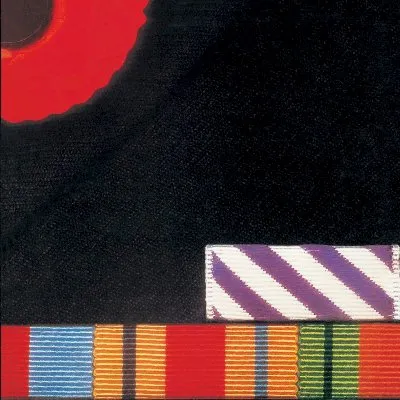
The Final Cut
1983
Continues the narrative and emotional depth established in The Wall.
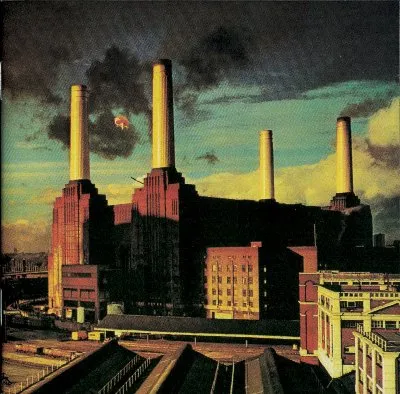
Animals (Pink Floyd album)
1977
Sets the stage with social commentary and thematic exploration.
If this landed
Records by other artists that run on the same instinct.
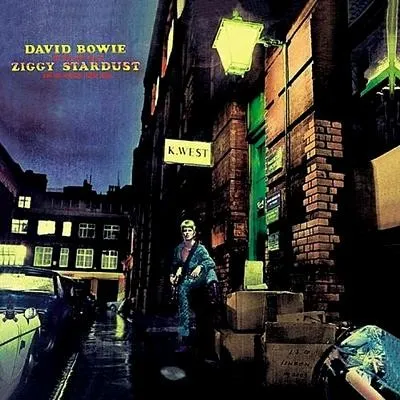
The Rise and Fall of Ziggy Stardust and the Spiders from Mars
David Bowie
Both explore themes of identity and fame through theatrical narratives and rich soundscapes.
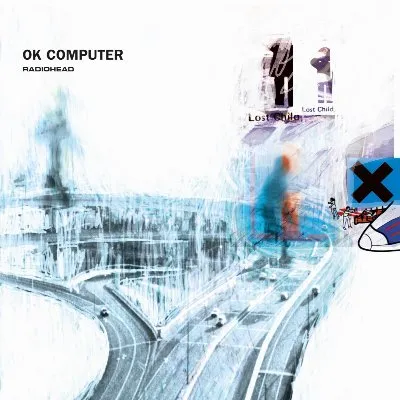
OK Computer
Radiohead
Shares the same sense of alienation and social critique within a sprawling, atmospheric rock framework.
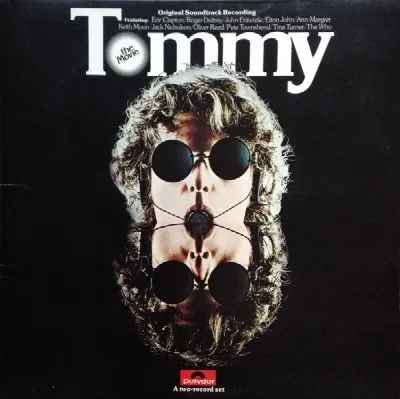
Tommy
The Who
Another ambitious rock opera that delves into personal trauma and isolation with a grand sonic palette.
Reference: Wikipedia · MusicBrainz · Wikidata
Sync your library
Everything you track here works immediately — no account needed. Create one when you want to sync across devices.